
Parent education guide
日本語Canadian Academy School Visit: What Parents Should Ask (Kobe) (2026)
Neutral checklist for Canadian Academy tours on Rokko Island — visit types, what to prepare, day-of checkpoints, and the admissions process.
Editorial note: This guide is intended as neutral, parent-focused information. Admissions, fees, and programs change — always confirm details on each school’s official website.
Before asking an AI "what's Canadian Academy really like," there's a shorter path: a visit checklist you can verify yourself. Rokko Island packs several international schools into a small area, and relying on scattered reviews or social media impressions often leads to surprises once a family is actually enrolled. This guide covers what to prepare before a visit, what to check on the day, and roughly how the admissions process runs afterward — a neutral planning memo, not a substitute for the school's own information.
Visit slots are limited, and popular grades fill up fast. Doing some homework before the tour — rather than figuring out questions on the spot — makes better use of the time you get.
Table of Contents
- Types of visits
- What to prepare beforehand
- Questions to ask (for parents)
- What to check on the day
- The admissions process, roughly
- Preschool context (Peter Pan)
- Steps after visiting
- FAQ
Types of Visits
Canadian Academy offers a few ways to see the school and get questions answered:
- Open house / information sessions — a broad overview of the school's philosophy, curriculum, and community. These usually don't go into grade-specific availability, so follow up with admissions directly for that.
- Personalized small-group tours — per the school's own guidance, tours are run in small groups with limited spots, and families are asked to book at least two weeks ahead through the official site. This is a walk-through of the actual campus, including classrooms for your target grade.
- Virtual tours / online consultations — useful for families still overseas, or those who want an overview before committing to an in-person visit.
Official site: canacad.ac.jp (book a visit through the admissions section)
What to Prepare Beforehand
Visit slots are limited, so a bit of preparation goes further than winging it on the day.
- Settle on a target grade and start date first — availability varies significantly by grade, so keeping this vague makes it harder to get a specific answer.
- Narrow your family's non-negotiables to about three — commute time, cost, and Japanese-language support are common priorities, but every family weighs them differently.
- Write your question list down ahead of time — tour time is limited; recalling questions on the spot is less reliable than having them ready.
- Consider scheduling tours at Marist Brothers or St. Michael's around the same time — having comparison points from the same period makes the decision easier.
Questions to Ask (For Parents)
Admissions and grade
- Is there current availability in our target grade, and what does the waitlist typically look like?
- What is the school's track record with mid-year transfers or returnee students?
- Is enrollment possible mid-year, and if so, under what conditions?
Academics and language
- How is EAL (English as an Additional Language) support leveled and for how long is it typically needed?
- How much instructional time is dedicated to Japanese, and what kanji support exists?
- What is the IB Diploma completion rate, and how does it connect to university placement?
Daily life and commute
- What bus routes exist (Ashiya, Nishinomiya, within Rokko Island) and what are typical travel times?
- What after-school or extended-care options exist for dual-income families?
- How is lunch/cafeteria service run, and how are allergies handled?
Cost
- What is the full annual cost by grade, including registration and one-time fees like the Capital Contribution Fee and Building & Development Fee? → Tuition guide
- Are there sibling discounts or other fee considerations?
Outcomes
- What are the main university destinations (regions, fields), and is placement data published?
- What support exists for students transferring in during high school, or after graduation?
What to Check on the Day
Some things only become clear by walking the campus, not by asking questions alone.
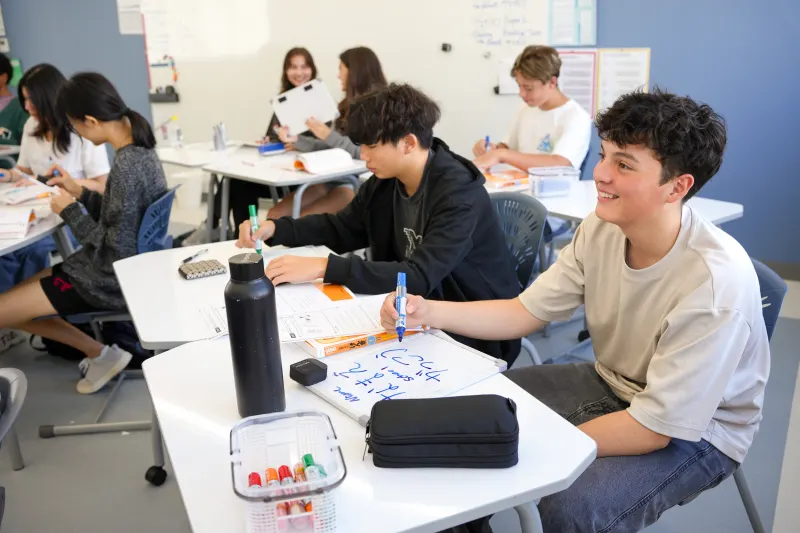
- Classroom atmosphere — does the dynamic between students, and between students and teachers, match your family's values?
- Facility condition — do the library, science labs, and gym match the impression given by photos or brochures?
- Bus stop location and flow — can you realistically picture the commute from your home?
- Parent community feel — if you get a chance to talk with other parents during the visit, ask for their honest impressions.
- Signage and how much Japanese is visible — a rough proxy for how much contact there is with the local community and language.
The Admissions Process, Roughly
Visiting and applying are separate processes, but having a sense of timing helps you ask better questions on the tour. Per Canadian Academy's own site, the process generally runs:
- Submit the application (a non-refundable ¥90,000 application fee)
- Document review
- Interview (family and prospective student)
- Admissions decision
For the current school year, admission tends to run on a rolling basis depending on grade availability and interview outcomes. For a future school year, some years carry a priority-review deadline for applications submitted earlier. Exact deadlines and review windows change year to year, so confirm the current cycle directly with admissions. For the fuller planning timeline, see the admissions timeline guide.
Preschool Context (Peter Pan)
Canadian Academy's "Pre‑School Children" section states CA has a longstanding relationship with Peter Pan International Pre‑School, which runs an English-language program for 2‑year‑olds and is within about a 10‑minute walk from campus (external link).
Reference: https://www.canacad.ac.jp/joining/tuition-and-fees
Peter Pan's official website notes a relocation within Rokko Island to THE ENTENTE, citing Canadian Academy's large-scale redevelopment plan (external link).
Reference: https://www.peterpan-preschool.com/
For more on Peter Pan's own program and location, see the Peter Pan International Preschool guide.
Steps After Visiting
- Write down priorities as a family right after the visit — accuracy is better while details are still fresh.
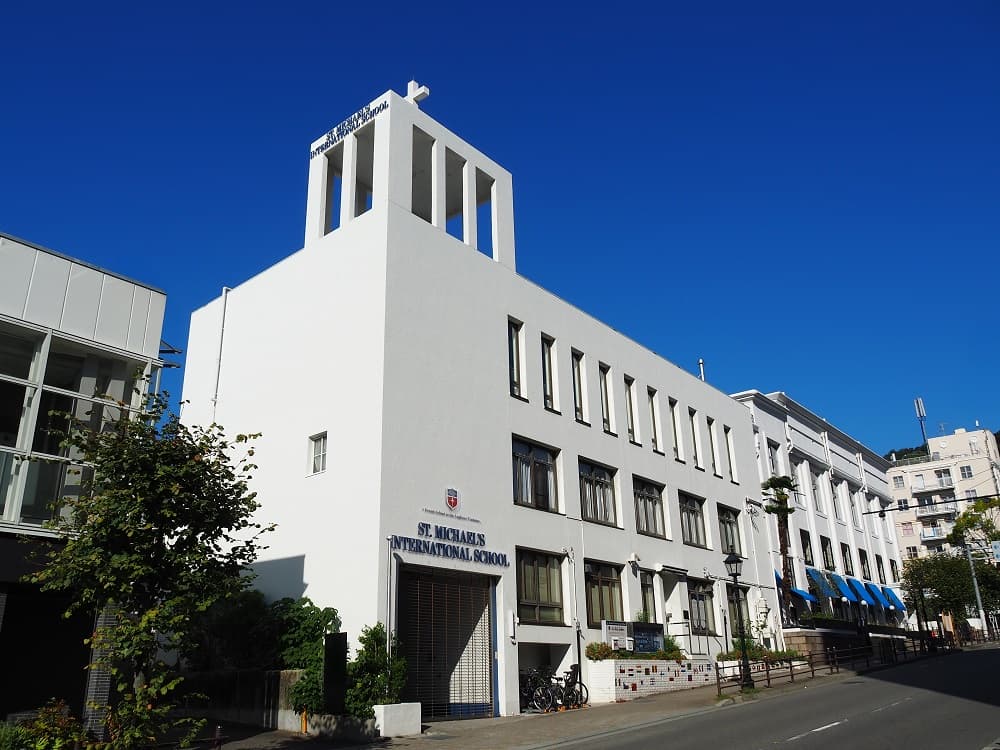
- Compare against other schools (Marist Brothers, St. Michael's) — see Best International Schools in Kobe. CA is a large Rokko Island campus, Marist is Catholic-affiliated in Suma-ku, and St. Michael's is a small, central-Kobe school serving only ages 3–11 — location, scale, and affiliation differ substantially.
- Re-check the full cost picture — compare annual totals including bus fees, meals, and activity costs, not tuition alone.
- Read the Kobe hub for broader commute and lifestyle context.
FAQ
When should I book a visit? Canadian Academy's tours run in small groups with limited spots, so booking at least two weeks ahead through the official site is the safer default. Book earlier around popular periods, such as before a new school year.
Does attending Peter Pan give an advantage? No guarantee. Canadian Academy runs its own independent admissions process, and preschool attendance is treated as a separate matter.
Can families in Ashiya or Nishinomiya visit? Yes — visiting itself is possible by public transport or car, separate from the school bus routes used for daily commuting. Confirm your transport plan for the day ahead of time.
How much does applying cost? A non-refundable ¥90,000 application fee is due at submission. If accepted, further one-time fees apply (registration, Capital Contribution Fee, Building & Development Fee). Always confirm current amounts on the official fee schedule.
Can I decide based on a virtual tour alone? You can, but details like the bus commute and classroom atmosphere are hard to judge remotely. Where possible, pair a virtual tour with an in-person visit before or after relocating.
Is AI-generated information about CA reliable? Fast-changing details — fees, availability, application deadlines — should always be confirmed on the official site or directly with admissions. This guide is a neutral planning memo, not a substitute for official information.
Related guides
International Schools in Kyoto: Options for Expat and Bilingual Families (2026)
Kyoto International School, commuting to Osaka schools, and what Kyoto-resident families should know about English-medium education in Japan's cultural capital.
Nishimachi International School Tokyo: Bilingual Education Guide for Parents (2026)
What parents should know about Nishimachi International School — bilingual Japanese/English education, location, admissions, and who it suits.
St. Michael's International School Kobe: A Parent's Guide (2026)
What parents should know about St. Michael's International School in Kobe — curriculum, community, admissions, and how it compares to Canadian Academy and Marist Brothers.
International Schools in Yokohama: A Parent's Guide for Greater Tokyo Families (2026)
Saint Maur, Yokohama International School, and other English-medium options — why Yokohama is a major international education hub south of Tokyo.



Explore more guides
Browse related guides on international schools and preschools in Kobe, Kansai, and across Japan.
View all education guides →