
Parent education guide
日本語Nishimachi International School Tokyo: Bilingual Education Guide for Parents (2026)
What parents should know about Nishimachi International School — bilingual Japanese/English education, location, admissions, and who it suits.

Editorial note: This guide is intended as neutral, parent-focused information. Admissions, fees, and programs change — always confirm details on each school’s official website.
Among Tokyo's international schools, Nishimachi International School occupies a unique position: it is not simply an English school with Japanese classes — bilingual Japanese/English development is central to the programme.
Table of Contents
- What makes Nishimachi different
- Who Nishimachi suits
- Location and commute
- Admissions and timing
- Nishimachi vs ASIJ vs BST
- Returnee and bilingual families
- Comparison table
- FAQ

What Makes Nishimachi Different
Nishimachi International School emphasizes simultaneous development of Japanese and English — a different goal from pure English immersion schools.
Typical profile:
- Founded in 1949 by Tane Matsukata — one of the oldest bilingual schools in Japan, with roughly 480 students
- English-medium instruction with substantial Japanese language and culture integration
- Popular with internationally minded Japanese families and returnees wanting Japanese literacy
- Located at 2-14-7 Moto-Azabu, Minato-ku (confirm current campus details on official site, as facilities can change)
Not the same as:
- ASIJ (American, English-primary)
- BST (British-influenced)
- Weekly eikaiwa supplement at a Japanese school
Who Nishimachi Suits
Strong fit:
- Families planning long-term Japan residency who want children literate in Japanese
- Returnee children (kikokushijo) needing Japanese catch-up alongside English
- Bilingual households wanting school to reinforce both languages
Weaker fit:
- Families certain of short-term stay with no Japanese literacy goals
- Families wanting maximum English-only peer environment
Returnee context: Returnee children in Tokyo
Location and Commute
Nishimachi's central Tokyo location suits families in:
- Minato-ku (Azabu, Hiroo, Shirokane)
- Shibuya and Meguro — feasible commutes
- Setagaya — slightly longer but common
Guide: Tokyo neighborhoods for international school
Admissions and Timing
- Competitive admissions — plan 12+ months ahead for popular grades
- Assessments and interviews vary by age
- Confirm current grade bands and gender policy (if applicable) on official site
Tokyo international school admissions guide
Nishimachi vs ASIJ vs BST
| Factor | Nishimachi | ASIJ | BST |
|---|---|---|---|
| Founded | 1949 | — | — |
| Language emphasis | Bilingual JP/EN | English-primary | English-primary (British) |
| Location | Moto-Azabu, Minato-ku | Western Tokyo suburbs | Multiple Tokyo campuses |
| Scale | ~480 students | Large | Large |
| Curriculum | Bilingual international | American | British-influenced |
| Best for | JP literacy + English | US pathway, large community | UK-influenced education |
Returnee and Bilingual Families
Nishimachi is frequently the first school returnee families research when both languages matter.
Planning tips:
- Bring overseas transcripts and explain curriculum differences
- Be honest about Japanese literacy level — schools assess support needs
- Compare with Japanese public school + tutoring if undecided
International school vs Japanese school
Comparison Table
| Question | Nishimachi answer |
|---|---|
| English immersion depth | High, but bilingual balance |
| Japanese literacy | Central goal |
| Commute from suburbs | Longer than western Tokyo schools |
| University abroad | Possible; confirm pathway with admissions |
| Preschool before entry | Tokyo ward-based hoikuen/yochien or international preschool |
FAQ
What is Nishimachi International School known for? Founded in 1949 by Tane Matsukata, it's one of Japan's oldest bilingual schools, known for Japanese/English education in central Tokyo (Moto-Azabu, Minato-ku), especially strong in elementary years, with roughly 480 students.
Is Nishimachi better than ASIJ? Different missions. Nishimachi for bilingual balance; ASIJ for American-style English-primary education.
Do returnee children attend Nishimachi? Yes — it is a common choice when Japanese literacy recovery matters alongside English.
How competitive is Nishimachi admissions? Competitive for popular grades. Apply early.
Where do Nishimachi families live? Often Minato, Shibuya, Meguro, Setagaya — central Tokyo corridors.
Related guides
International Schools in Kyoto: Options for Expat and Bilingual Families (2026)
Kyoto International School, commuting to Osaka schools, and what Kyoto-resident families should know about English-medium education in Japan's cultural capital.
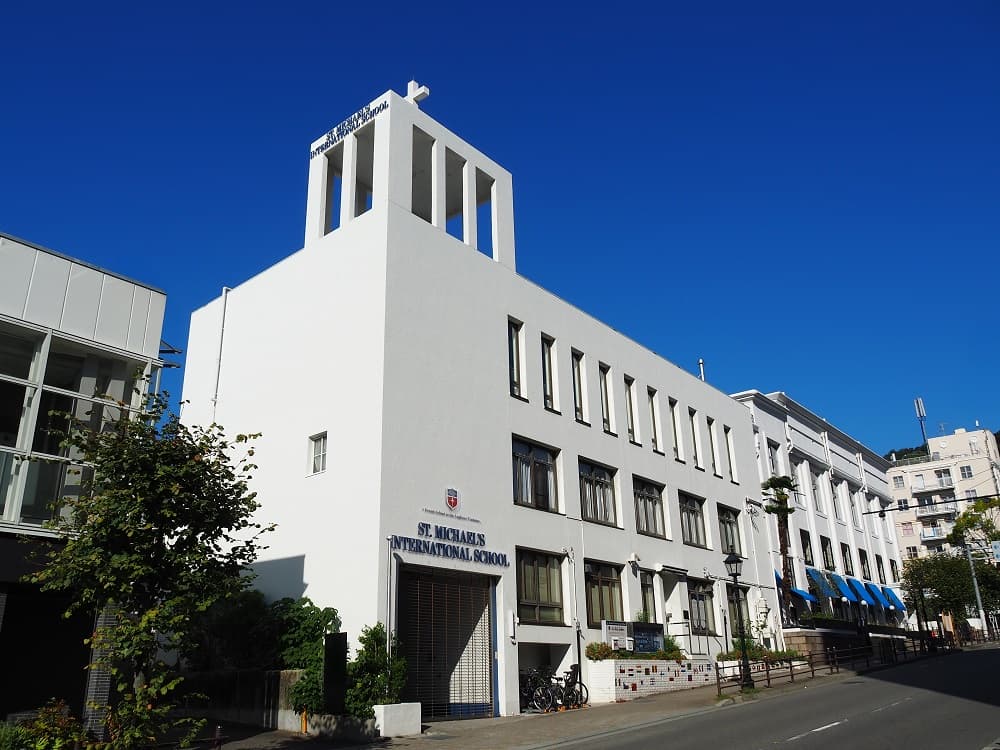
St. Michael's International School Kobe: A Parent's Guide (2026)
What parents should know about St. Michael's International School in Kobe — curriculum, community, admissions, and how it compares to Canadian Academy and Marist Brothers.
International Schools in Yokohama: A Parent's Guide for Greater Tokyo Families (2026)
Saint Maur, Yokohama International School, and other English-medium options — why Yokohama is a major international education hub south of Tokyo.
Canadian Academy School Visit: What Parents Should Ask (Kobe) (2026)
Neutral checklist for Canadian Academy tours on Rokko Island — visit types, what to prepare, day-of checkpoints, and the admissions process.


Explore more guides
Browse related guides on international schools and preschools in Kobe, Kansai, and across Japan.
View all education guides →