
Udon in Japan: What Makes Sanuki Udon Different, and Where to Eat It
Kagawa Prefecture takes its udon seriously enough to be nicknamed Udon Prefecture. Here's what separates real Sanuki udon from the rest, and where to find it.

Ramen gets the international spotlight, but ask anyone from Kagawa Prefecture and they'll tell you udon is the more serious noodle. Kagawa takes its udon seriously enough that it's informally nicknamed "Udon Prefecture" — a place with one of the highest concentrations of dedicated udon shops per capita anywhere in Japan.
What Makes Sanuki Udon Different
Kagawa was historically known as Sanuki Province, and "Sanuki udon" specifically refers to the regional style associated with it — thick, wheat-flour noodles defined by a distinctly chewy, springy texture that's noticeably different from softer udon styles found elsewhere in Japan. The texture comes down to a specific kneading and resting process for the dough, developed and refined regionally over generations, that produces noodles firm enough to hold up in both hot broth and cold, dipping-style preparations.
The Self-Serve Format
Much of Kagawa's udon culture runs on a self-serve model: order your noodles, choose your own tempura and toppings from a display case, and pay at the register before finding a seat — a cafeteria-style system built for speed without sacrificing the noodle quality that makes the region's udon worth seeking out in the first place. It's a genuinely different experience from a seated, full-service ramen shop, and part of what makes Kagawa's udon culture distinct as a food culture, not just a specific noodle recipe.
Marugame Seimen: The Chain That Took It National
Marugame Seimen, Japan's largest udon chain and now an international one, is named after Marugame — the city most associated with Sanuki udon within Kagawa — but the chain itself was actually founded in Kakogawa, Hyogo Prefecture, in November 2000, not in Kagawa. Its founder, Takaya Awata, grew up visiting udon-making factories in Kagawa Prefecture and built the chain specifically around recreating that experience: noodles made from scratch, visibly, in front of customers, and served straight from the pot rather than pre-made and reheated.
It's not "authentic" in the sense of being from the udon heartland itself, but it's the most accessible, consistent way to try Sanuki-style udon almost anywhere in Japan (and increasingly, internationally) without traveling to Kagawa specifically.
Serving Styles Worth Knowing
Kake udon — The most basic preparation: noodles in a light, hot dashi-based broth, usually topped with scallions and a small amount of tempura scrap (tenkasu).
Bukkake udon — Noodles served with a small amount of concentrated, cold sauce poured directly over them rather than submerged in a full bowl of broth — a format that lets the noodle texture itself take center stage.
Kamaage udon — Noodles served straight from the boiling water, still hot and slightly starchy, with a separate dipping sauce on the side.
Curry udon — A Japanese-style curry broth in place of standard dashi, a popular variation found nationwide rather than specific to Kagawa.
Where to Actually Eat It
Chikusei (竹清) — Central Takamatsu — The most convenient serious option if you don't have a car: a short taxi ride (about 10–15 minutes, ¥1,000–1,500) from Takamatsu Station. Known for pairing its udon with fresh tempura fried to order, eaten straight from the fryer while you wait in line.
Uehariya (上原屋本店) — near Takamatsu Station — Classic cafeteria-style ordering (grab a tray, choose your noodles and toppings, pay at the register) and one of the easiest first stops for a visitor without local knowledge — a good introduction to the self-serve format before venturing further out.
Yamagoe Udon (山越うどん) — Ayagawa — The birthplace of kamatama udon (noodles straight from the pot, tossed with raw egg and soy sauce), and one of the most famous names in Sanuki udon. Requires a car or taxi from Takamatsu, and expect a line even on a weekday morning — it's worth the trip for anyone serious about the noodle rather than just passing through.
Gamo Udon (がもう) — Sakaide — A rural, no-frills shop with a cult following among udon obsessives, often mentioned as an "advanced" stop on a Kagawa udon crawl once you've tried the more central shops. Car recommended; hours are limited, so check before making the trip.
Marugame Seimen locations nationwide — If Kagawa itself isn't on your itinerary, this is the most reliable way to get a genuinely good bowl of Sanuki-style udon without leaving Tokyo, Osaka, or most other major Japanese cities — see How to Order at Ichiran for a sense of how Japan's self-serve/ticket-machine chains generally work if you haven't used one before.
Takamatsu itself is also the ferry departure point for Naoshima, making it easy to combine an art island day trip with a proper udon crawl the same day.
FAQ
What is Sanuki udon? The regional udon style from Kagawa Prefecture (historically Sanuki Province), known for a distinctly chewy, springy noodle texture from a specific kneading and resting process.
Why is Kagawa called "Udon Prefecture"? Because of its unusually high concentration of dedicated udon shops relative to its population, and the strong regional identity built around Sanuki-style udon specifically.
Is Marugame Seimen from Kagawa? No — despite being named after Marugame, a city closely associated with Sanuki udon, the chain was actually founded in Kakogawa, Hyogo Prefecture, in 2000.
What's the difference between kake udon and bukkake udon? Kake udon is served in a full bowl of hot broth; bukkake udon is topped with a smaller amount of concentrated cold sauce, putting more focus on the noodle texture itself.
Can I combine an udon trip with a Naoshima visit? Yes — Takamatsu, Kagawa's prefectural capital and a strong udon destination in its own right, is also one of the two main ferry departure points for Naoshima.
What are the best-known udon shops in Kagawa? Chikusei and Uehariya are the most accessible from Takamatsu Station itself. Yamagoe Udon (Ayagawa), credited as the birthplace of kamatama udon, and Gamo Udon (Sakaide) are the more serious pilgrimage stops — both require a car or taxi and are worth the trip if you want the noodle at its source rather than the tourist-convenient version.
Need Help with This?
Have questions about Udon in Japan: What Makes Sanuki Udon Different, and Where to Eat It? We're here to help. Send us a message and we'll get back to you within 24-48 hours.

James Chen
Food & Drink Writer
Former chef. Now eats his way through Tokyo and writes about it.
Moved to Tokyo from San Francisco in 2016. Worked in kitchens in both cities before switching to food journalism. Lives in Nakameguro.
Tokyo
Expertise
Ramen, izakaya, Tokyo restaurants, food culture
The Standard Newsletter
Tokyo in your inbox. Weekly.
No algorithms curating your culture. No sponsored content disguised as journalism. Just the real Tokyo — the izakayas at 2am, the Harajuku kids who never made it to the algorithm, the ramen shop with no sign.
8K+
Subscribers
Weekly
Editions
Free
Always
Join the underground.
One email a week. Unsubscribe anytime.
No spam. No sharing your data. Tokyo only.
Related Stories
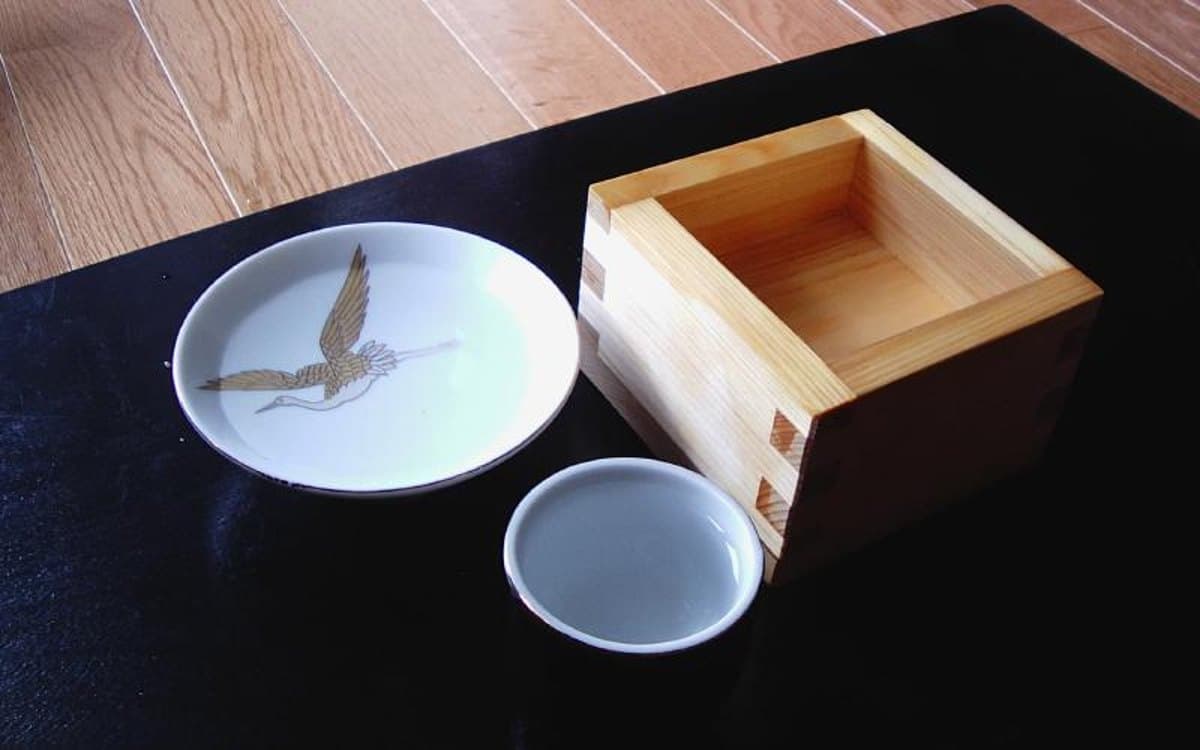
Fushimi Sake District Guide: Kyoto's Sake Brewery Neighborhood
Fushimi is Kyoto's sake brewery district — white-walled breweries, a canal boat ride, and tastings a short train ride from Fushimi Inari. Here's how to spend an afternoon there.

Vegetarian and Vegan Japan 2026: Honest Survival Guide
Fish dashi hides in “vegetable” dishes. Use HappyCow, a Japanese vegan card, confirmed shojin, and city-by-city tactics so plant-based Japan actually works.

How to Order at Ichiran in Japan: Ticket Machine, Booths, Order Sheet, Kaedama
Official Ichiran system: vacant-seat panel (空), flavor booths, circle the order sheet, call button, and kaedama sensor — no reservations.