
Koenji Guide 2026: Tokyo's Punk-Vintage Neighborhood
Koenji guide: record shops, deep vintage, punk bars, and the Chuo Line neighborhood that skips the Shimokitazawa day-trip crowd. What to do, eat, and see.
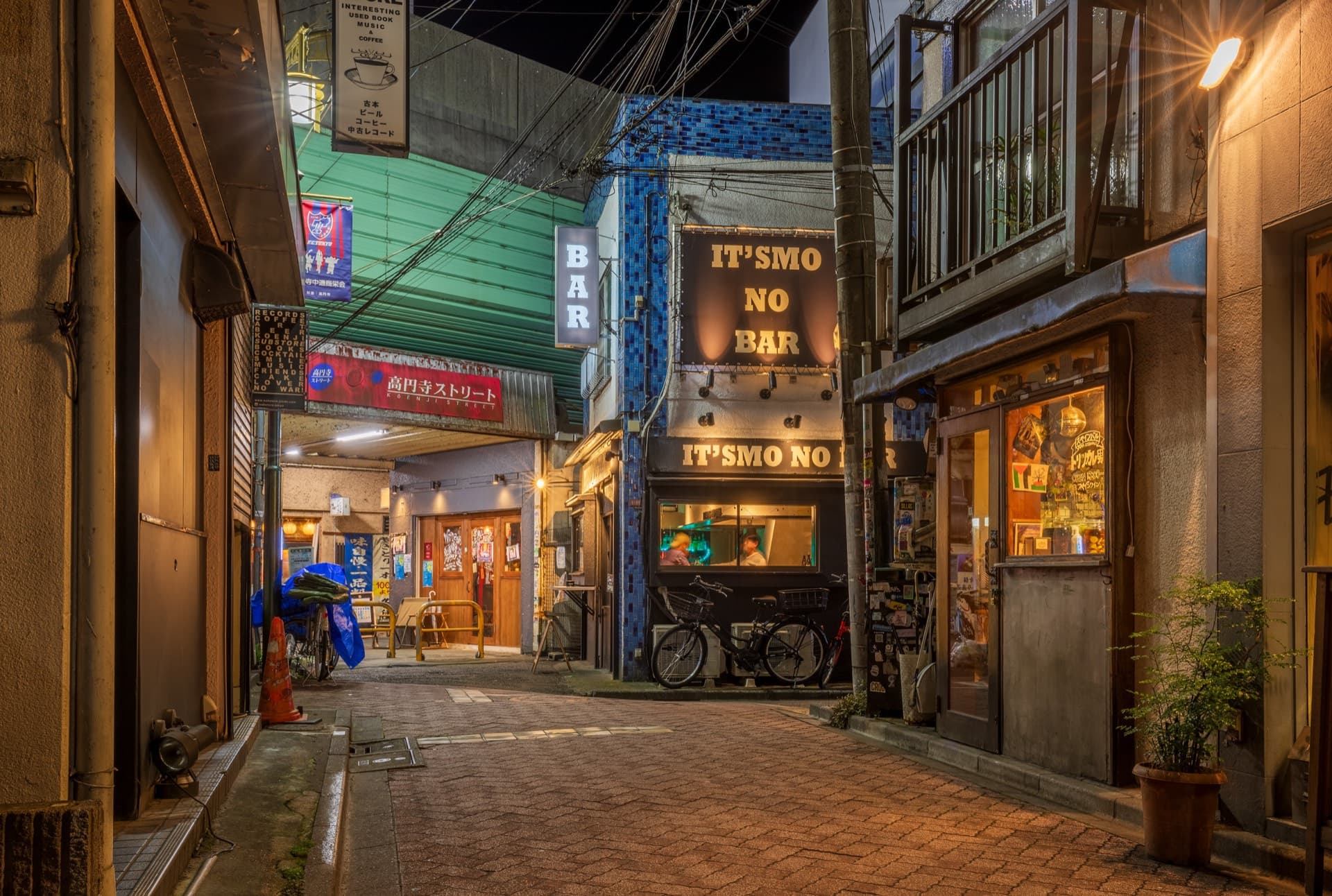
Ask a Tokyo local where the real vintage crowd shops, and you'll hear Koenji before you hear Shimokitazawa. Same JR Chuo Line, just one more stop out from Shinjuku — but that one stop filters out most of the day-trippers, and what's left is a neighborhood that still feels a little rough around the edges in the best way.
If you typed koenji tokyo into a search bar wondering whether it earns a dedicated trip, here's my honest take: yes, but only once you already have a Tokyo shortlist and want somewhere with its edges still intact. If this is your one afternoon in the city, go to Shimokitazawa instead — I break down all three neighborhoods head-to-head in Brooklyn of Tokyo.
Koenji in One Sentence
Best for: serious vintage and record digging, punk and rock bars, a flea-market weekend energy, and far fewer day-trippers than Shimokitazawa ever loses.
Skip if: you want polish, recognizable shop names, or you've only got one Tokyo indie-neighborhood slot to spend — that one belongs to Shimo.
Getting to Koenji
Take the JR Chuo Line (Rapid) from Shinjuku — about 8 minutes, one stop past Nakano, one stop before Asagaya.
No subway line runs through here, which is a big part of why Koenji stayed off the radar longer than Shimokitazawa (fed by the Odakyu and Keio lines) or Nakameguro (on the Tokyu). One catch worth knowing before you board: Chuo Line rapid trains skip Koenji at certain hours, so double-check you're on one that actually stops.
What to Do in Koenji
Vintage and Record Shopping
This is the whole reason most people make the trip, and it goes deeper than Shimokitazawa once you already know roughly what you're hunting for.
- Look Street, on the north side, is a dense run of secondhand and archive-leaning vintage — noticeably less curated-for-tourists than Shimo's main strip.
- Small record shops scattered on both sides of the station carry punk, rock, city pop, and used vinyl at prices that reward patience over convenience.
- Weekend flea pop-ups show up irregularly — nothing you can plan around precisely, but worth asking about at any coffee counter if your dates happen to line up.
For the citywide picture, see the Tokyo vintage shopping guide.
Live Houses and Punk Bars
Where Shimokitazawa leans singer-songwriter and indie-pop, Koenji leans punk, garage, and noise rock. Small rooms, cheap tickets, and absolutely no dress code to worry about.
South-side live houses near the tracks rotate lineups nightly, mostly Japanese underground acts, with doors around 6–7pm. If you'd rather just drink than commit to a show, the standing bars on both sides of the station are the neighborhood's default night-one move — no reservation needed, and most don't charge a cover.
Awa Odori (Late August)
Koenji hosts one of Tokyo's biggest Awa Odori dance festivals, and it pulls in hundreds of thousands of people over a single weekend in late August. If your trip overlaps, the neighborhood transforms completely — packed streets, dance troupes moving through in formation, food stalls on every corner. Wonderful if that's what you came for, and worth avoiding entirely if quiet digging was the plan.
Temples and Quieter Streets
Step away from the station and Koenji has a handful of small neighborhood temples and residential streets that show you the ordinary side of a place mostly known for its scene. A 20-minute wander here is a good reset if the clothing racks start to blur together.
Where to Eat and Drink
The izakaya alleys cluster tightest right by the station — low-lit, mostly standing room, no English menu in sight, and a regulars-only feel that somehow still welcomes anyone who orders with a bit of confidence. Cheap, fast, and about as Koenji as the neighborhood gets after dark.
If you'd rather have specific recommendations than wander in blind, best izakaya in Tokyo and Tokyo tachinomi standing bars both apply directly here.
Koenji vs Shimokitazawa vs Nakameguro
| Factor | Koenji | Shimokitazawa | Nakameguro |
|---|---|---|---|
| Vintage depth | Deepest for serious diggers | Excellent, more curated | Minimal |
| Records | Best of the three | Good | Minimal |
| Live music | Punk / garage | Indie / singer-songwriter | Minimal |
| Day-trip crowds | Lowest | Moderate | Moderate |
| Polish | Rough-edged | Village-cool | Polished |
| First-timer fit | Second visit | Start here | Cafe/canal day |
Full write-up of all three: Brooklyn of Tokyo. City-wide comparison: best Tokyo neighborhoods.
Koenji by Time of Day
Morning is quiet — most vintage shops don't open until midday, so this is temple-and-coffee time, not shopping time.
Afternoon is the prime digging window. Look Street and the record shops fill with locals rather than tourists.
Evening brings the izakaya alleys to life. Live houses post their door times right outside — worth walking past a few before you commit to one.
Late night keeps the standing bars going on both sides of the station. Last trains back toward Shinjuku run later than you'd expect for the Chuo Line, but confirm the time before you order that last round anyway.
One-Day Plan
Arrive early afternoon via Shinjuku (Chuo Line, ~8 min) → a vintage loop down Look Street → a record shop crawl → dinner in an izakaya alley → a punk bar or live house if a lineup catches your eye. Add Shimokitazawa the next day and you've got the fuller indie-Tokyo picture.
FAQ
Is Koenji worth visiting if I've already done Shimokitazawa? Yes — it's the natural second stop for the same crowd, with deeper vintage and records and a fraction of the day-trippers.
Is Koenji better than Shimokitazawa? Different, not better. Shimo is denser and easier for a first indie-neighborhood day in Tokyo. Koenji rewards people who already know they enjoy the hunt.
How do I get to Koenji? JR Chuo Line (Rapid) from Shinjuku, about 8 minutes. No direct subway line.
When is Koenji busiest? Weekend afternoons for shopping, plus the Awa Odori festival weekend in late August — though that crowd has nothing to do with vintage shopping.
Is Koenji good for nightlife? Yes, if punk bars and standing izakaya sound better to you than club-scale nights. For the bigger nightlife decision, see Tokyo vs Osaka nightlife.
Related Guides
- Brooklyn of Tokyo — Shimokitazawa vs Koenji vs Nakameguro
- Shimokitazawa neighborhood guide
- Tokyo vintage shopping
- Best Tokyo neighborhoods compared
- Best izakaya in Tokyo
Need Help with This?
Have questions about Koenji Guide 2026: Tokyo's Punk-Vintage Neighborhood? We're here to help. Send us a message and we'll get back to you within 24-48 hours.

Yuki Tanaka
Culture & Food Editor
Born and raised in Tokyo. Writes about the city most tourists never see.
Grew up in Shibuya, 1988–2006. Moved to NYC for university, returned to Tokyo in 2012. Has lived in Shimokitazawa, Nakameguro, and now Yoyogi.
Tokyo
Expertise
Japanese convenience store culture, izakaya etiquette, Tokyo neighborhoods, daily life
The Standard Newsletter
Tokyo in your inbox. Weekly.
No algorithms curating your culture. No sponsored content disguised as journalism. Just the real Tokyo — the izakayas at 2am, the Harajuku kids who never made it to the algorithm, the ramen shop with no sign.
8K+
Subscribers
Weekly
Editions
Free
Always
Join the underground.
One email a week. Unsubscribe anytime.
No spam. No sharing your data. Tokyo only.
Related Stories
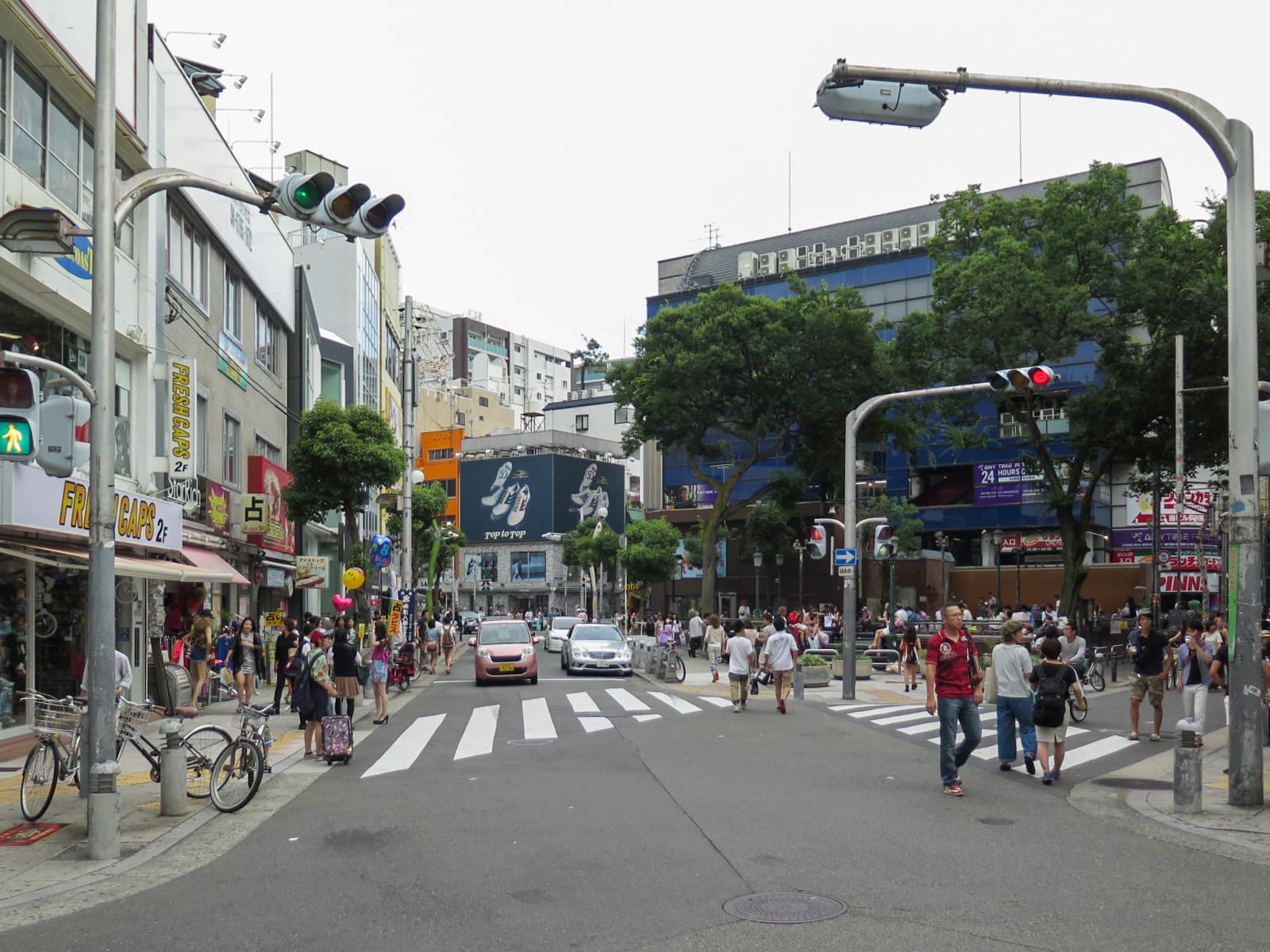
Amerika-Mura and Namba Guide 2026: Where Osaka's Night Starts
Amerika-Mura and Namba guide: Sankaku Park, vintage and streetwear shops, walk-in izakaya, and how the district connects to Dotombori for a full Osaka night.
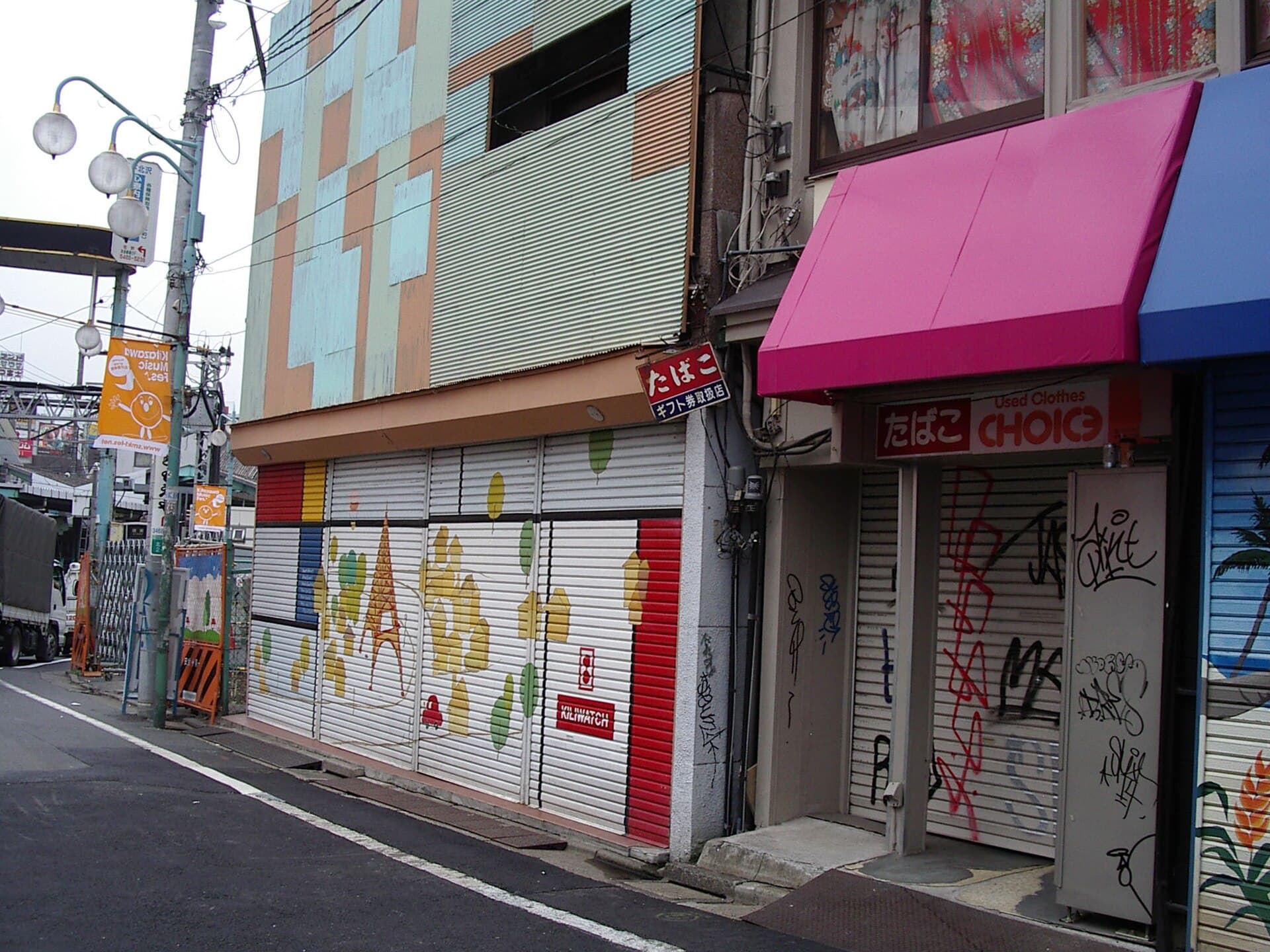
Brooklyn of Tokyo 2026: Shimokitazawa, Koenji, and Who Wins
Brooklyn of Tokyo usually means Shimokitazawa — vintage, live houses, indie cafes. Koenji and Nakameguro compete. Which neighborhood fits your trip.
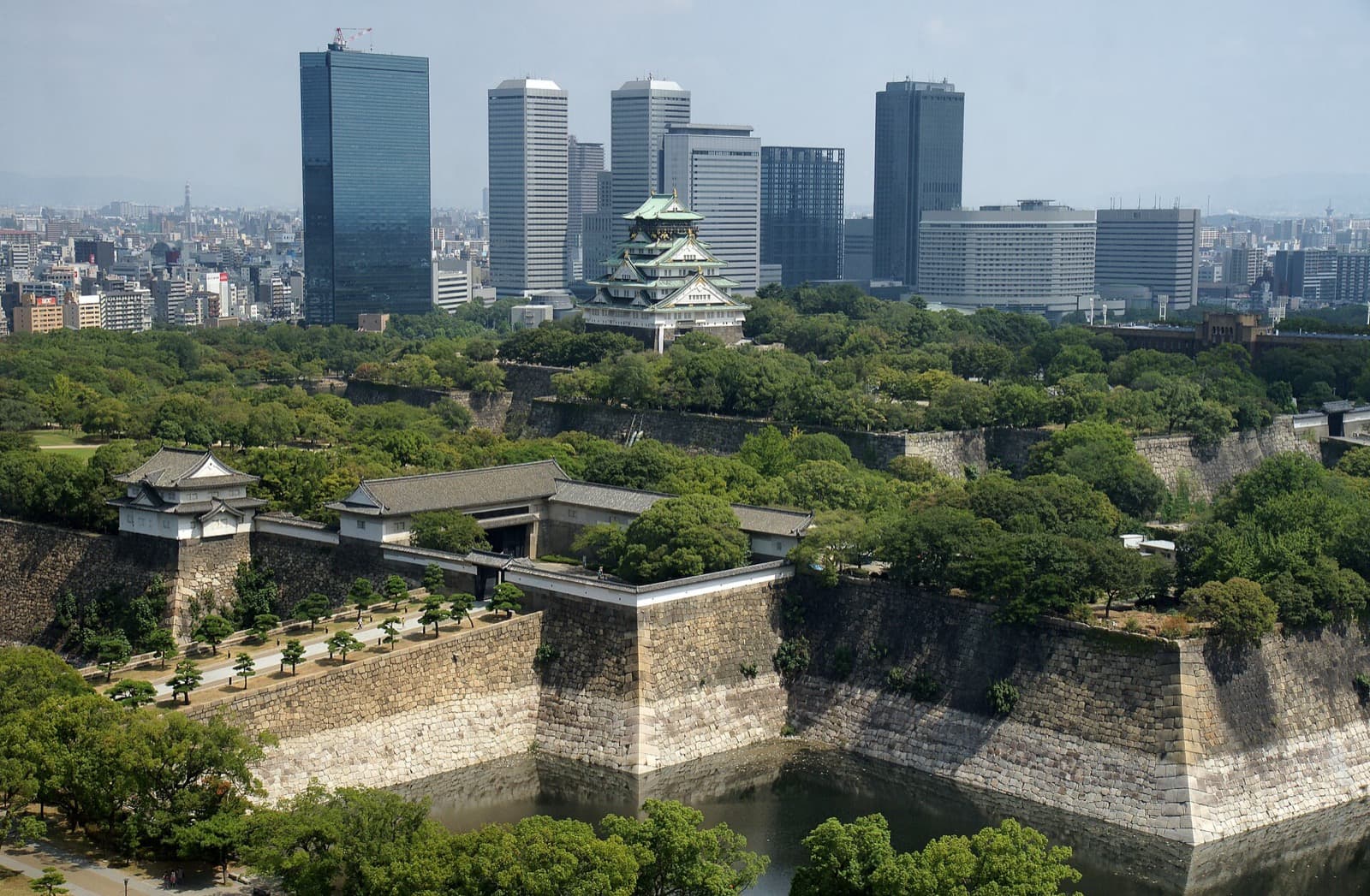
Osaka Night Views 2026: Umeda Sky and Rooftop Bars
Best Osaka night views 2026: Umeda Sky Floating Garden (¥2,000), Stardust lounge, Conrad 40 Sky Bar, Dotombori neon — skyline drinks without fake ‘rooftops.’