
Nikko Day Trip from Tokyo: Tobu vs JR, Toshogu, Kegon Falls
A full-day Nikko plan from Tokyo: Tobu from Asakusa, Toshogu shrine, Kegon Falls, Lake Chuzenji, costs, and autumn crowds.
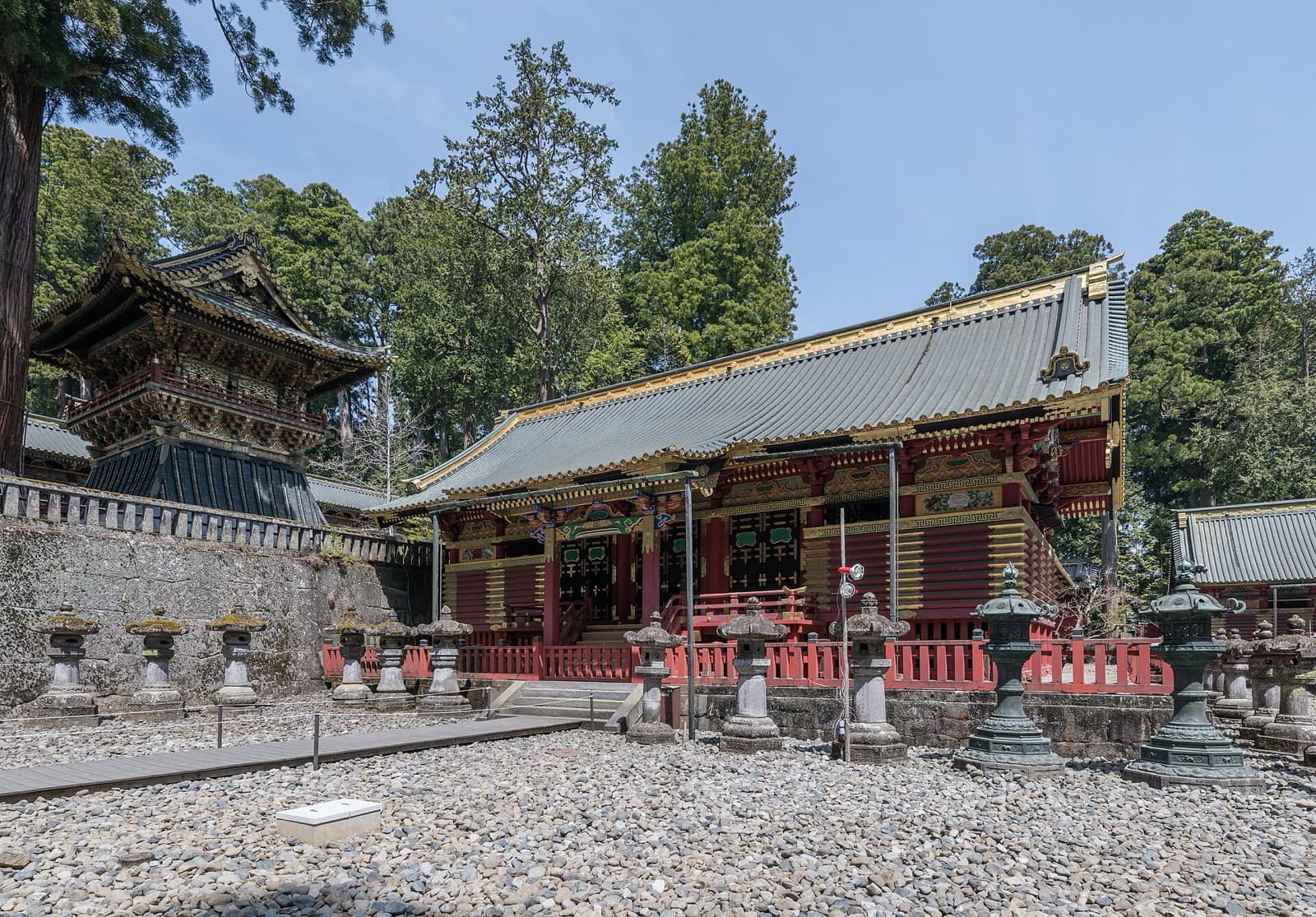
Nikko is an easy full day from Tokyo if you treat it like one, not a half-day dash. Leave Asakusa or Tokyo Station by 7:00–8:00, see Toshogu before noon, bus up to Kegon Falls and Lake Chuzenji, and you can be back by 20:00–21:00. The shrine is ornate in a way Kyoto temples are not, and the mountain lake feels a long way from Shibuya.
Compare pacing with Hakone and a city base plan in what to do in Tokyo. Suica / Pasmo help on local buses where accepted.
Some links in this article are affiliate links. If you book through them, The Standard Japan may earn a commission at no extra cost to you.
Tobu vs JR
Most visitors take Tobu. The Limited Express Spacia X or Revaty from Asakusa to Tobu-Nikko takes about 1 hour 45–55 minutes. Reserve seats on weekends. One-way limited-express fares usually land around ¥2,800–¥4,000, depending on the train and season — check Tobu the week you go. Local and rapid combinations are cheaper, but slower, with more transfers.
JR from Ueno or Tokyo, often with a change at Utsunomiya onto the JR Nikko Line, totals about 2 hours. It makes sense if you already have a JR Pass for those days. Otherwise Tobu is usually simpler from hotels in eastern Tokyo.
Tobu also sells area passes that bundle round-trip travel from the Asakusa/Tokyo side with local buses toward Chuzenji and Yumoto. Names and inclusions change by year. If you plan Toshogu + the Chuzenji bus + return, a pass often beats buying each ticket separately. If you only walk the shrine area and skip the lake, single tickets can be cheaper — add it up before you buy.
Tobu-Nikko and JR Nikko stations sit a short walk apart. The World Heritage shrines are 30–40 minutes uphill on foot, or a short bus ride. Wear shoes you can climb in.
Morning: Toshogu and the shrine cluster
Nikko Toshogu is why most people come — the mausoleum complex for Tokugawa Ieyasu. Yomeimon, the sleeping cat, and the three monkeys are the postcard hits: gold leaf, color, and density that Kyoto temples do not try to match.
Hours are usually around 9:00–16:00 or 17:00 by season, so confirm the day you go. Main combination tickets often run ¥1,300–¥1,600; budget closer to ¥2,000 if you add Rinnoji packages. Tour buses hit hardest from 10:00–14:00. Arrive at opening if you can.
Rinnoji has large gold-lacquered statues and often shares tickets with Toshogu and Futarasan. Futarasan Shrine next door is quieter — a good 30–45 minutes if the Toshogu queue drained you. Even a short walk through the cedar approaches changes the mood. Do not skip it just to save time for gate photos.
Afternoon: Kegon Falls and Lake Chuzenji
From the shrine area, a Tobu bus climbs toward Chuzenji Onsen / Lake Chuzenji in about 50 minutes on the winding Irohazaka roads — motion-sickness bags exist for a reason. Round-trip bus fares without a pass often land around ¥2,000–¥3,000; passes can cover this.
Kegon Falls drops about 97 meters. The elevator to the lower viewpoint is a small extra fee, often around ¥570. Autumn spray and foliage are peak Japan; winter ice is dramatic, colder, and darker earlier.
Lake Chuzenji is for a lakeside walk, coffee, and mountain reflections on clear days. Seasonal boats usually cost in the ¥1,000–¥2,000 range. If time is short, the falls plus a 30-minute stroll beats rushing another temple.
Buses back toward Nikko Station thin out in the evening. Aim to leave Chuzenji by 16:30–17:30 in winter, a little later in summer, so you catch a sensible limited express to Tokyo. Miss the last convenient Tobu express and you inherit slow locals or an expensive rethink.
Costs, timing, and autumn
A realistic full-day budget per person in 2026:
- Tobu round-trip limited express: ¥6,000–¥8,000 (or pass equivalent)
- Shrine admissions: ¥1,500–¥2,500
- Bus up/down + falls elevator: ¥2,500–¥4,000 without a pass
- Lunch (soba or yuba set): ¥1,200–¥2,500
Most people land around ¥10,000–¥15,000 before souvenirs. A well-matched Tobu pass and a convenience-store lunch bring it down.
A clean schedule looks like this: 7:30 train → 9:30–12:30 shrines → lunch → 13:30 bus → 14:30–16:30 Chuzenji and Kegon → bus down → 18:00–19:00 express back.
Late October and November are foliage peak on Irohazaka and around the lake. Reserve limited-express seats. For a calmer mountain day in another season, look at Hakone. From Kyoto or Osaka, Nara is the classic temple-and-park day instead.
Eat yuba (tofu skin) sets and mountain soba if you can. The tourist street by the shrines is pricier; walk one block off for better value.
Prefer the day handled for you?
If Tobu timetables, Irohazaka buses, and shrine routing feel like too much for one day, a licensed guide can run the same arc from Tokyo:
FAQ
How long is a Nikko day trip from Tokyo?
Plan 12–14 hours door to door. Shrines alone are a half day; adding Kegon Falls and Lake Chuzenji makes it a proper full day.
Is Tobu or JR better?
Tobu from Asakusa is simplest for most tourists. JR makes sense with an active JR Pass or hotels near Ueno or Tokyo Station.
How much does a day cost?
Often ¥10,000–¥15,000 per person including limited express, admissions, bus, and lunch — less with a Tobu area pass and frugal food.
Is the Tobu Nikko Pass worth it?
Yes if you ride Tobu round-trip plus Chuzenji buses. Skip it if you only walk the shrine area and return.
When is Nikko most crowded?
Autumn foliage weekends and Japanese holidays. Go on a weekday or arrive at shrine opening.
Can I see Nikko and Hakone in one day?
No. Pick one mountain day. Nikko for ornate shrines and falls; Hakone for the onsen circuit and Fuji views when clear.
Need Help with This?
Have questions about Nikko Day Trip from Tokyo: Tobu vs JR, Toshogu, Kegon Falls? We're here to help. Send us a message and we'll get back to you within 24-48 hours.

The Standard Japan
Editorial Team
The collective voice of The Standard Japan. Our team lives in Tokyo and writes with authority because we live it.
Founded in 2024. Our editors and contributors are based across Tokyo—from Shinjuku to Shimokitazawa.
Tokyo
Expertise
Japan culture, food, fashion, travel, living
The Standard Newsletter
Tokyo in your inbox. Weekly.
No algorithms curating your culture. No sponsored content disguised as journalism. Just the real Tokyo — the izakayas at 2am, the Harajuku kids who never made it to the algorithm, the ramen shop with no sign.
8K+
Subscribers
Weekly
Editions
Free
Always
Join the underground.
One email a week. Unsubscribe anytime.
No spam. No sharing your data. Tokyo only.
Related Stories

Saily eSIM for Japan: Review, Prices, and the "Unlimited" Catch
Saily is the cheapest eSIM for light Japan trips — around $4 for 1GB. But it runs on KDDI, has no SMS, and its "unlimited" plans throttle after 5GB a day. Here's when it's the right pick.
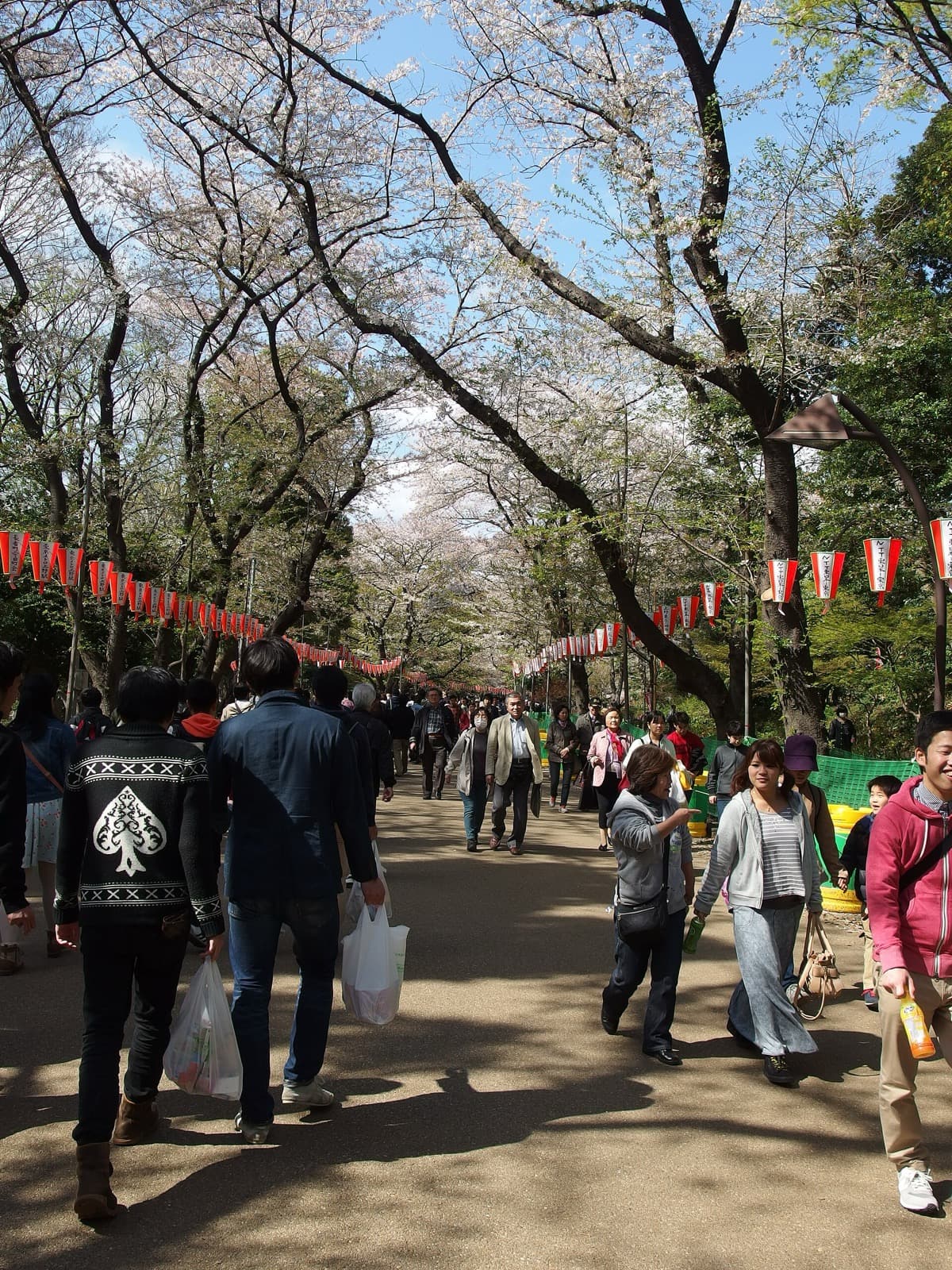
Cherry Blossom Japan 2027: Forecast Timing, Best Spots, and When to Book
The 2027 sakura forecast won't exist until December — but the bookings that matter happen months earlier. Here's how to plan the season anyway.
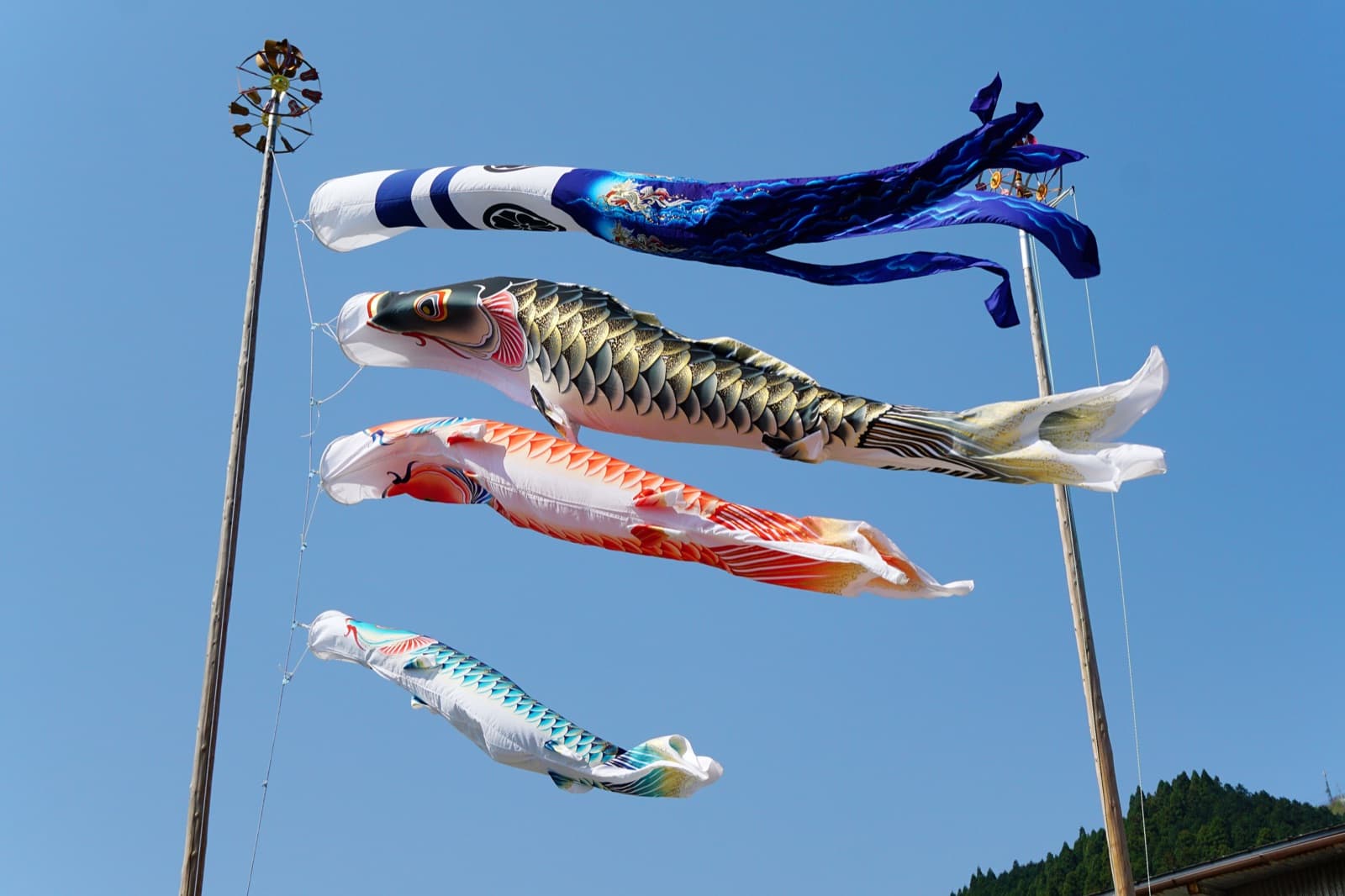
Golden Week 2027: Why This One Is Worse Than Usual (April 29 – May 5)
Golden Week 2027 has a calendar quirk that turns one day of leave into a seven-day holiday for most of Japan. That's great for locals and bad for your hotel rate.