
Niseko Guide: Powder Season, Where to Stay, and Getting There
Peak powder is January–February and lodging goes early. Where to base in Hirafu, Annupuri or Hanazono, how to get in from New Chitose, and what Niseko is like in summer.
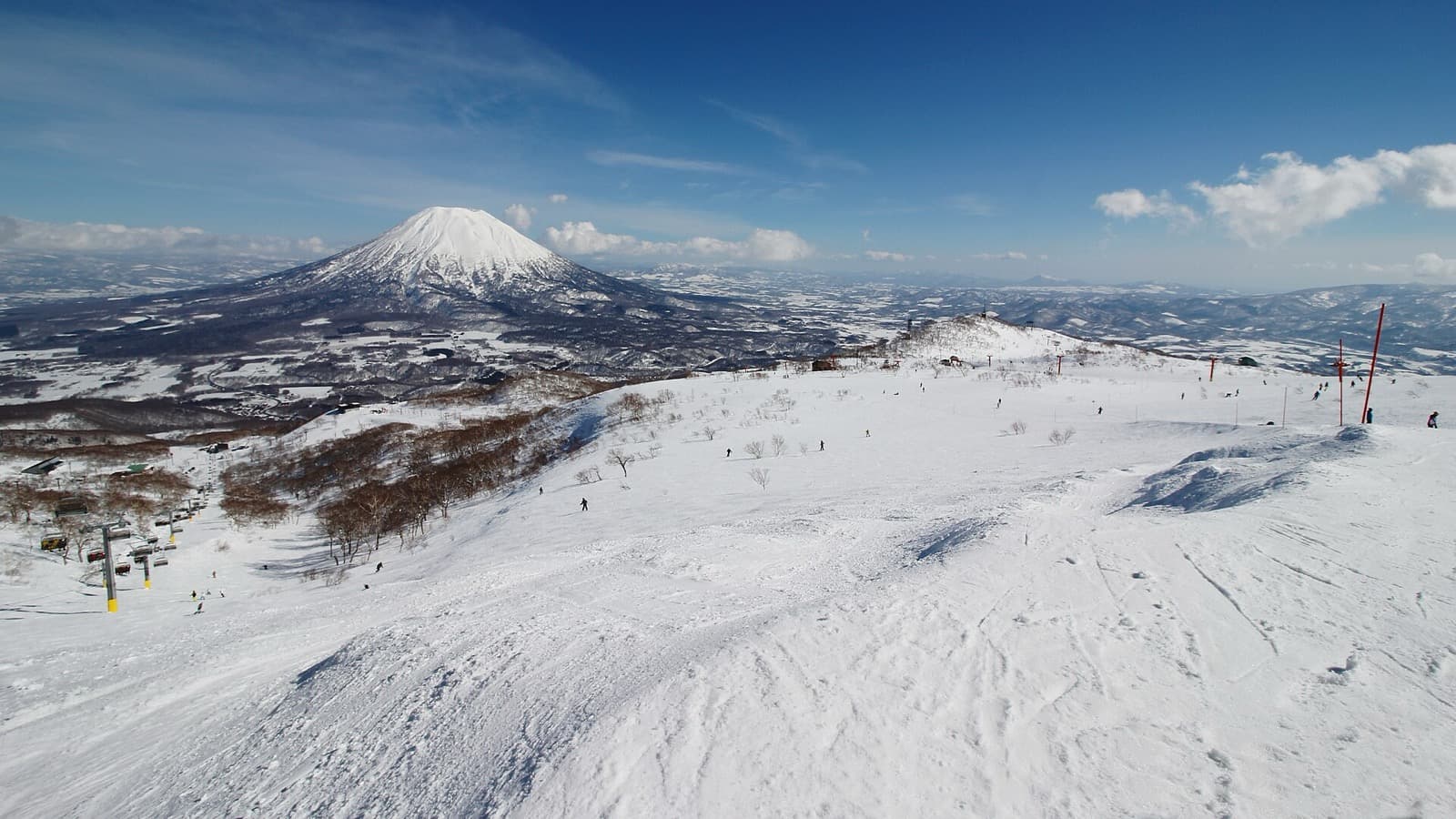
Niseko started as farmland and turned into Asia’s most talked-about powder town. The snow is the real draw. Everything else — English menus, late-night bars, January rates that can burn a Tokyo week’s budget in three nights — came with the international crowd.
Come for skiing, or come in summer when Mount Yotei looks sharp and the streets finally quiet down. For Sapporo, Otaru, Furano, and Hakodate on the same trip, use the Hokkaido travel guide as the island map. For how Niseko stacks up against Hakuba, Nozawa Onsen, and the rest: best ski resorts in Japan.
Some links in this article are affiliate links. If you book through them, The Standard Japan may earn a commission at no extra cost to you.
When to go
December through March is what most people mean by Niseko. January and February usually bring the deepest, steadiest powder. Early December can feel thin; by March the lower slopes soften while the upper mountain still skis well. Day lift tickets often run ¥7,000–¥10,000+, depending on the mountain and pass. Peak lodging sells out months ahead, so book the room before you worry about dinner reservations.
June through September is the quieter half of the year — greener, cheaper, and better than the ski-only reputation suggests. Mount Yotei is the main hike (often six to seven hours round-trip from trailheads near Hirafu). Add rafting on the Shiribetsu, easy bike rides between cafés, and onsen without ski-boot lobbies. Airport buses only run in limited summer windows; outside those dates, use JR plus a taxi, a rental car, or a private transfer.
May, October, and November are awkward: mud, melt, or pre-season works. Fine if you are passing through. Thin if Niseko is the whole trip.
Getting there from New Chitose
Most visitors fly Tokyo to New Chitose (CTS) in about 1.5 hours, then continue west to the resort.
In winter, the default is a reserved resort bus to the Hirafu Welcome Center — roughly 2.5 hours, ski bags welcome, no snowy transfer at Otaru. White Liner and Resort Liner are the names you will see most; schedules run roughly December through March, so check the season you are traveling. Book early for Christmas, New Year, and Chinese New Year weeks.
A private transfer is the calmer option after a late flight, with kids, or when your hotel sits off the bus route.
The JR route (Rapid Airport toward Otaru, Hakodate Line to Kutchan or Niseko, then bus or taxi to Hirafu) works, but it is slower with luggage. Save it for months when the airport buses are not running.
From Sapporo, highway buses take about 2–2.5 hours. That works well if you want a night of ramen in the city before you head to the mountain.
Where to stay
| Area | Feel | Best for |
|---|---|---|
| Hirafu | Busiest base — restaurants, bars, walkable nights | First visits, people who want options after skiing |
| Hanazono | Resort hotels, quieter evenings | Families, easy ski access |
| Annupuri | Smaller and calmer | Powder days without Hirafu noise |
| Kutchan town | Local JR stop, cheaper beds | Budget trips with a car or shuttle |
Hirafu has more English than most rural Japan. Still keep a translation app handy for taxis and smaller shops.
What to do
Winter
Ski or board the linked Niseko United mountains — Grand Hirafu, Hanazono, Annupuri, Niseko Village. Ticket combos change by year, so check before you buy. On a storm day, drop the ambition and book an onsen. Some slopes run night skiing when weather allows; look at the day-of board rather than assuming it.
Summer
Hike or photograph Mount Yotei, raft if that suits your group, and bike between cafés. With a car or a guided day, you can stretch toward Lake Toya or Otaru — the island guide covers that wider loop.
A Sapporo day from the mountain
If you are staying in Niseko but want city food and Odori Park without changing hotels:
A few practical notes
Cards work in most Hirafu hotels and larger restaurants. Keep some cash for smaller spots and buses. Suica / Pasmo help in Sapporo and on some trains; rural Hokkaido is patchier.
Do not treat winter driving lightly. If ice is new to you, take the bus or a transfer.
Three ski days is the minimum that feels worthwhile. Five is more comfortable once you allow for a weather day. A clean loop is fly into CTS, ski Niseko, finish with food in Sapporo — or reverse it. Full island itineraries live in the Hokkaido guide.
FAQ
Is Niseko only for skiing?
Winter made its name, but summer hiking around Yotei is genuinely good.
How far is Niseko from Sapporo?
About 2–2.5 hours by highway bus or car, depending on weather and traffic.
Do I need Japanese?
Hirafu runs on tourist English more than most mountain towns. Outside the resort strip, expect less.
Bus or private transfer from the airport?
Take the bus if your flight matches a reserved seat and your hotel is on the route. Use a private transfer for late planes, groups, or awkward luggage.
Niseko or Furano?
Powder skiing → Niseko. Summer lavender hills → Furano and Biei. Different trips.
Related
Need Help with This?
Have questions about Niseko Guide: Powder Season, Where to Stay, and Getting There? We're here to help. Send us a message and we'll get back to you within 24-48 hours.

Alex Rivera
Travel & Living Editor
Expat guide. Helps people actually move to and navigate Japan.
Moved from London to Tokyo in 2018. Went through the full gaijin experience—visa, housing, banking, the works. Now writes the guide he wished he had.
Tokyo
Expertise
Moving to Tokyo, expat life, travel, Kyoto vs Tokyo, onsen
The Standard Newsletter
Tokyo in your inbox. Weekly.
No algorithms curating your culture. No sponsored content disguised as journalism. Just the real Tokyo — the izakayas at 2am, the Harajuku kids who never made it to the algorithm, the ramen shop with no sign.
8K+
Subscribers
Weekly
Editions
Free
Always
Join the underground.
One email a week. Unsubscribe anytime.
No spam. No sharing your data. Tokyo only.
Related Stories

Saily eSIM for Japan: Review, Prices, and the "Unlimited" Catch
Saily is the cheapest eSIM for light Japan trips — around $4 for 1GB. But it runs on KDDI, has no SMS, and its "unlimited" plans throttle after 5GB a day. Here's when it's the right pick.
Cherry Blossom Japan 2027: Forecast Timing, Best Spots, and When to Book
The 2027 sakura forecast won't exist until December — but the bookings that matter happen months earlier. Here's how to plan the season anyway.
Golden Week 2027: Why This One Is Worse Than Usual (April 29 – May 5)
Golden Week 2027 has a calendar quirk that turns one day of leave into a seven-day holiday for most of Japan. That's great for locals and bad for your hotel rate.