
Nozawa Onsen Guide: 13 Free Bathhouses, Real Skiing, One Village
Nozawa Onsen is a working hot-spring village with a ski mountain built into the hillside above it — not the other way around. Here's how to do it right.
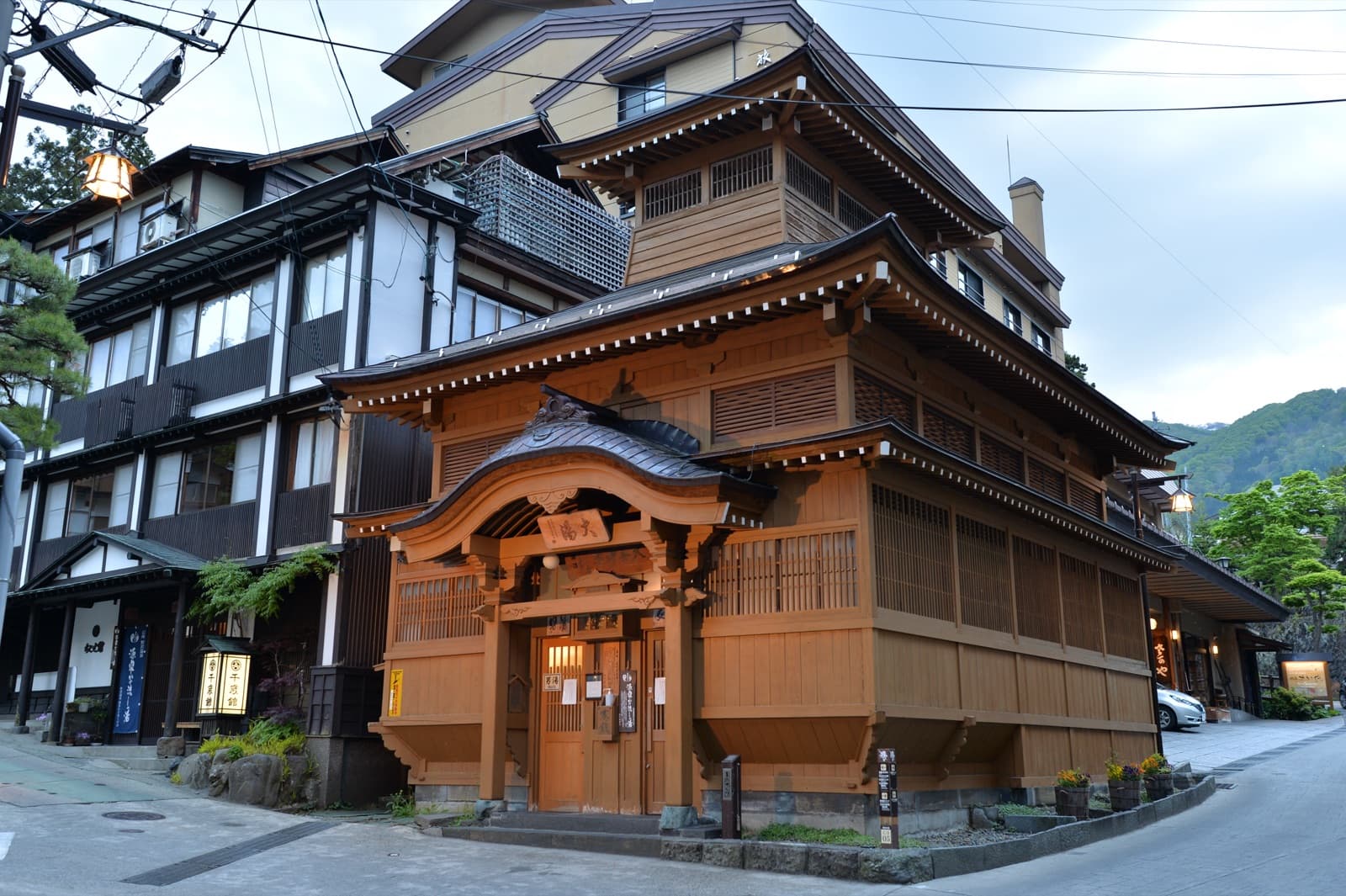
Most "ski resort with onsen" towns have the order backwards — the skiing came first, the bath was added for the tourists. Nozawa Onsen is the opposite. This has been a hot-spring village for well over a thousand years; the ski resort is what got built into the hillside above it, and that history is exactly why the bathing culture here feels lived-in rather than performed. If you're visiting outside ski season, or just want the non-ski side of the village, see top things to do in Nozawa Onsen besides skiing.
Some links in this article are affiliate links. If you book through them, The Standard Japan may earn a commission at no additional cost to you.
The 13 Free Public Bathhouses
Scattered through the village are 13 soto-yu — small, unstaffed public bathhouses, each fed by its own spring, each with a slightly different mineral character. They're free to enter, though a donation box sits outside every one and using it is expected, not optional. Bring your own towel and soap; these aren't set up to sell you anything.
Oyu, right in the village center, is the most recognizable — an Edo-period-styled building that functions as the town's informal gathering point as much as a bathhouse. Ogama, the hottest of the thirteen, runs close to 90°C at the source (it's cooled before bathing; the source itself is used for cooking eggs and vegetables by locals, not for soaking). Beyond those two, most visitors just work through whichever ones are on their walking route rather than treating it as a checklist — that's genuinely the right approach; the baths are small, a few minutes apart, and meant to be stumbled into.
A note on etiquette: these are working neighborhood baths, not tourist attractions dressed up as one. Wash thoroughly before entering the water, keep your towel out of the bath itself, and keep noise down — locals use these baths daily, often early morning or late evening, and treat them as an extension of home.
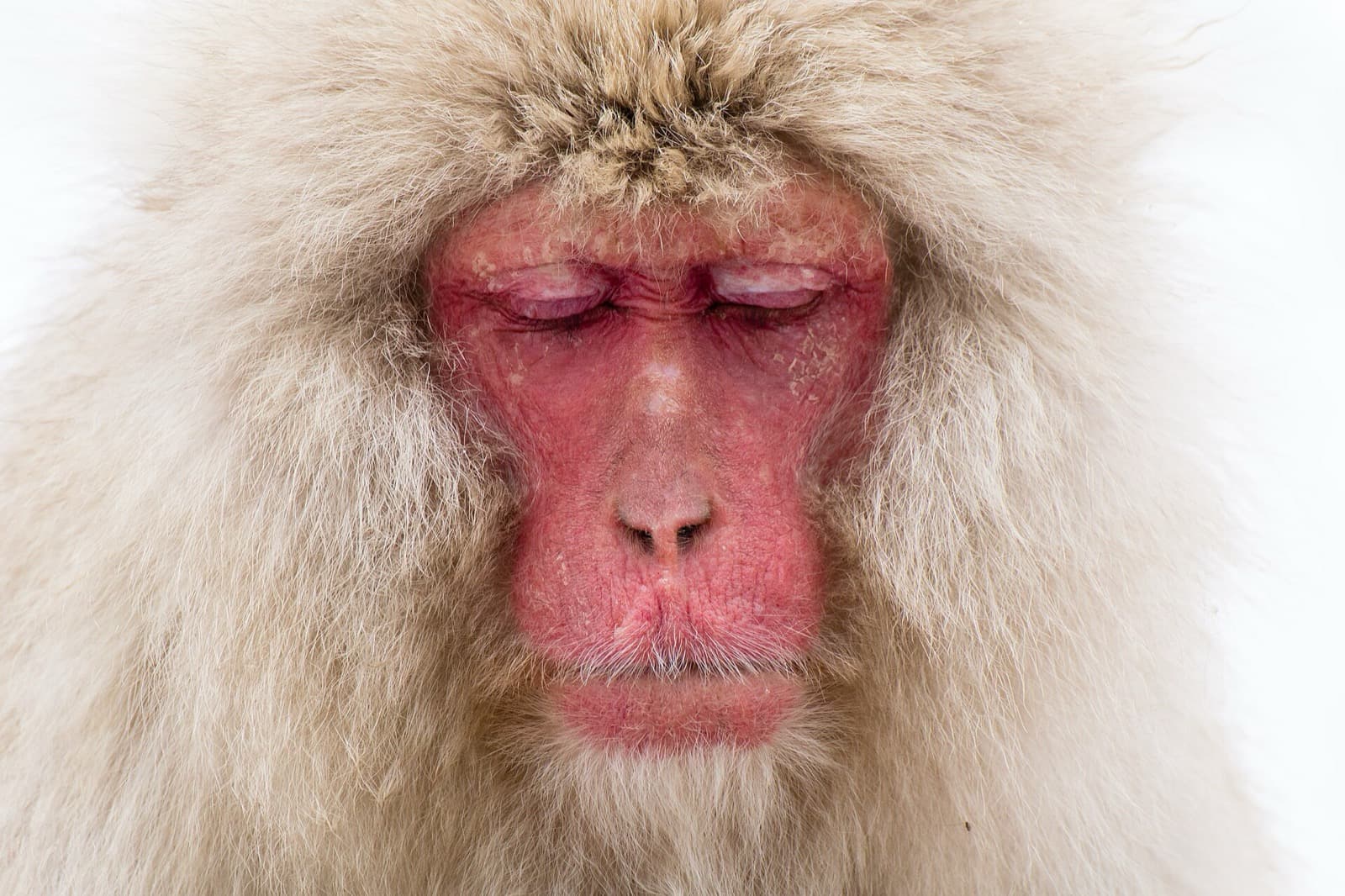
The Skiing
The mountain covers 740 acres and 44 pistes, and its signature run goes top to bottom from Yamabiko down to the village itself — nearly 6 miles, one of the longest continuous descents in Japan. It's not the vastest terrain in the country (Hakuba and Niseko both beat it on scale), and it doesn't need to be, because the actual selling point is what happens after you finish: a five-minute walk from the lift base into the village and straight into Oyu or one of the other soto-yu.
Snowfall here runs moderate-to-high by Japanese standards — less extreme than Niseko's headline numbers, but consistent enough for a reliable season from December through March. For a full comparison against Niseko, Hakuba, and the other major resorts: best ski resorts in Japan.
The Dosojin Fire Festival (January 15)
Every January 15, Nozawa Onsen runs one of Japan's three great fire festivals. Men at the traditionally unlucky ages of 25 and 42 defend a wooden shrine structure against the rest of the village, which tries to set it alight with torches — it's a real fight, not a reenactment, built around old New Year rituals and a coming-of-age rite protecting men through their unlucky years.
Preparatory events run on the 13th and 14th, with the main event on the night of the 15th. As of 2024, the village restricted attendance to residents and guests who have booked a room in Nozawa Onsen for that night — you can't show up as a day-tripper and watch anymore. If the festival is the reason for your trip, build your dates around it and book lodging well ahead; rooms for that specific night go fast for obvious reasons.
Getting There From Tokyo
Take the Hokuriku Shinkansen from Tokyo or Ueno Station to Iiyama Station — about 1 hour 40 minutes. From Iiyama, transfer to the Nozawa Onsen Liner bus, which runs every one to two hours and takes roughly 25 minutes into the village.
This is meaningfully faster and simpler than getting to Niseko or even Hakuba — no domestic flight, no multi-hour bus transfer, just a single shinkansen and one short bus.
Where to Stay
Nozawa Onsen is small enough that almost anywhere in the village puts you within walking distance of both the lift base and several soto-yu. Ryokan with their own private baths exist if you want that option on top of the public ones, but plenty of visitors stay somewhere simple and treat the public bathhouses as the main event rather than an amenity to skip.
Tips for International Visitors
- The Nozawa Onsen Liner can't be booked ahead. Go to the stop at Iiyama Station and pay the driver. The fare machine doesn't take ¥5,000 or ¥10,000 notes, though there's a change machine beside it — break big bills before you board.
- Buses are infrequent. They run roughly every one to two hours, so time your shinkansen arrival around them and check the return times before you plan a day trip back to Iiyama.
- Bring cash. Most restaurants are cash-only, and foreign cards are often declined at small shops. Village guides point to the post office ATM (daytime, seven days) and the tourist information office ATM (later hours) as the main options, so withdraw before you arrive rather than counting on them.
- Use luggage storage on arrival day. Many lodgings will hold your bags — ski and snowboard bags included — until check-in, which suits a morning shinkansen.
FAQ
Are the public bathhouses in Nozawa Onsen really free? Yes — no entrance fee, though a donation box sits outside each one and contributing is expected. Bring your own towel and soap.
Is Nozawa Onsen good for skiers who aren't experienced? Yes, alongside its longer expert runs it has solid beginner and intermediate terrain, and the village itself is compact and easy to navigate regardless of ski level.
Can I see the Dosojin Fire Festival as a day-tripper? Not as of the 2024 rule change — attendance is now limited to locals and guests with a booked room in the village that night.
How does Nozawa Onsen compare to Niseko or Hakuba for skiing? Smaller and less vast than either, but the onsen culture here is deeper and more integrated into daily village life than at either of those resorts. It's a different trip, not a lesser one.
How do I get from Nozawa Onsen to the Jigokudani Snow Monkey Park? They're both accessible from the Nagano/Iiyama area and are commonly combined on a single day tour, along with Zenko-ji Temple — an easier way to see all three than arranging separate transport.
What's the best time of year to visit Nozawa Onsen? December through March for skiing plus snow-season atmosphere in the village; January specifically if the Dosojin Fire Festival is part of the plan.
Need Help with This?
Have questions about Nozawa Onsen Guide: 13 Free Bathhouses, Real Skiing, One Village? We're here to help. Send us a message and we'll get back to you within 24-48 hours.

Alex Rivera
Travel & Living Editor
Expat guide. Helps people actually move to and navigate Japan.
Moved from London to Tokyo in 2018. Went through the full gaijin experience—visa, housing, banking, the works. Now writes the guide he wished he had.
Tokyo
Expertise
Moving to Tokyo, expat life, travel, Kyoto vs Tokyo, onsen
The Standard Newsletter
Tokyo in your inbox. Weekly.
No algorithms curating your culture. No sponsored content disguised as journalism. Just the real Tokyo — the izakayas at 2am, the Harajuku kids who never made it to the algorithm, the ramen shop with no sign.
8K+
Subscribers
Weekly
Editions
Free
Always
Join the underground.
One email a week. Unsubscribe anytime.
No spam. No sharing your data. Tokyo only.
Related Stories

Saily eSIM for Japan: Review, Prices, and the "Unlimited" Catch
Saily is the cheapest eSIM for light Japan trips — around $4 for 1GB. But it runs on KDDI, has no SMS, and its "unlimited" plans throttle after 5GB a day. Here's when it's the right pick.
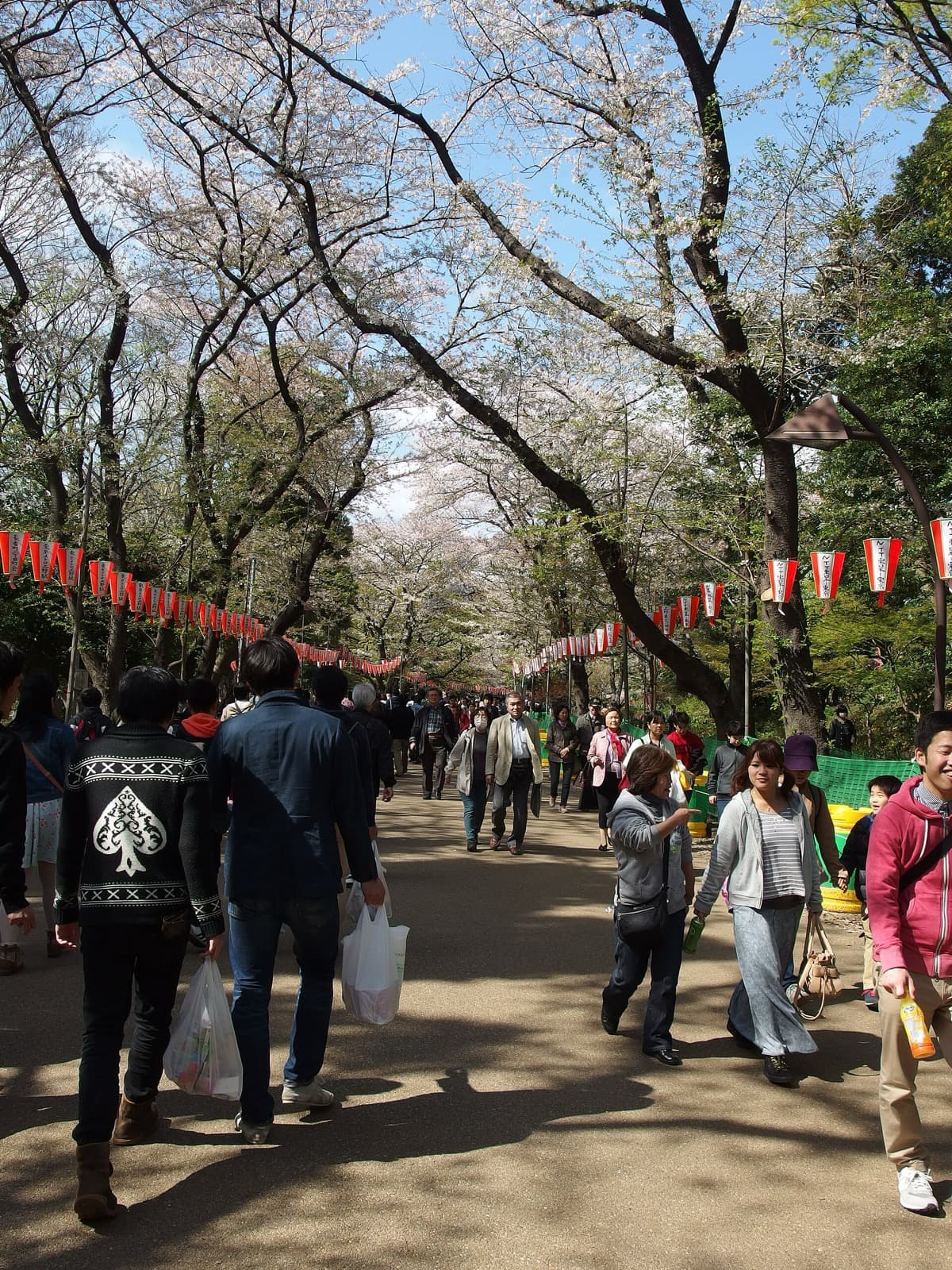
Cherry Blossom Japan 2027: Forecast Timing, Best Spots, and When to Book
The 2027 sakura forecast won't exist until December — but the bookings that matter happen months earlier. Here's how to plan the season anyway.
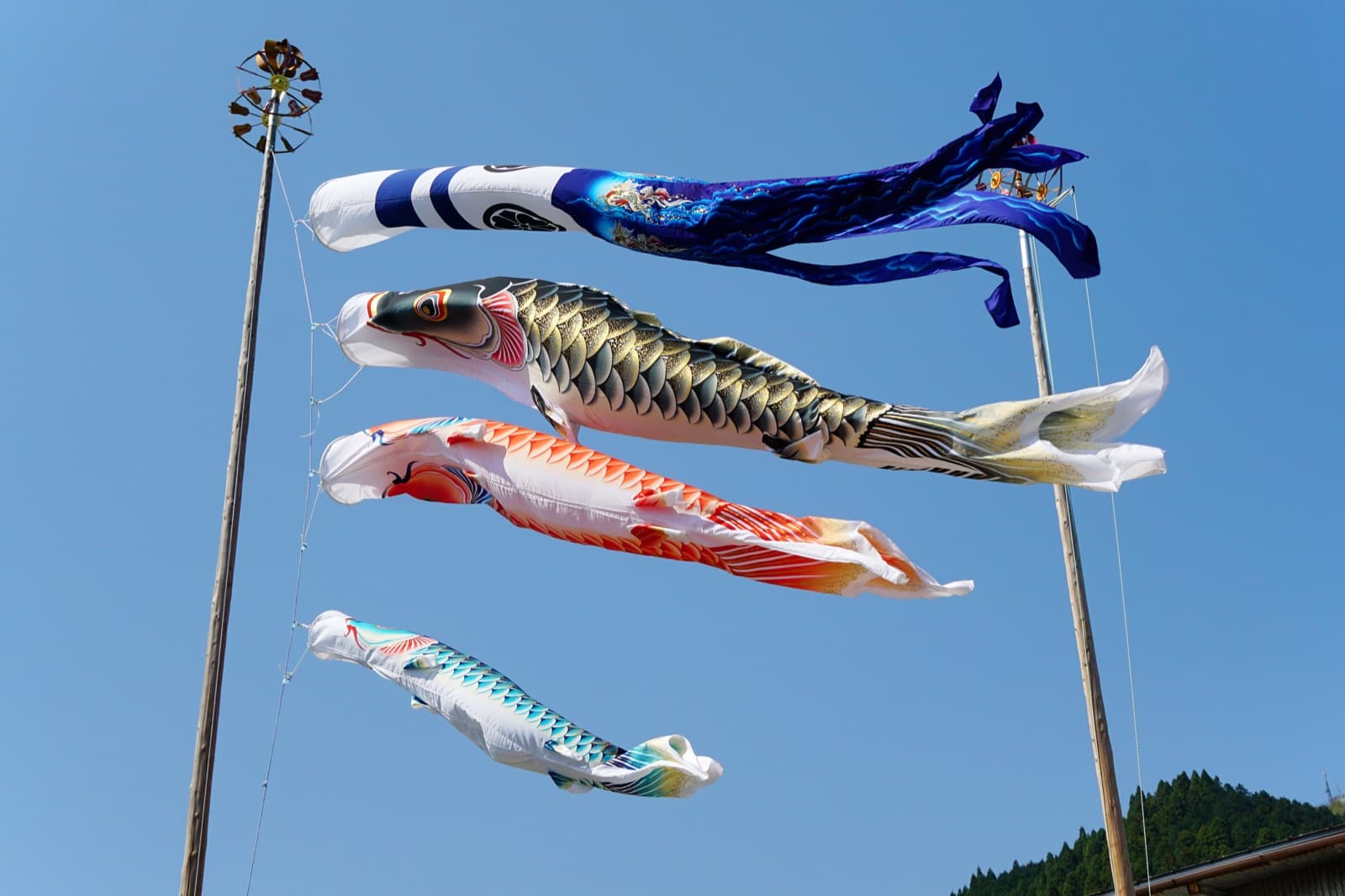
Golden Week 2027: Why This One Is Worse Than Usual (April 29 – May 5)
Golden Week 2027 has a calendar quirk that turns one day of leave into a seven-day holiday for most of Japan. That's great for locals and bad for your hotel rate.