
Best eSIM for Japan 2026: Tourist Data Plans Compared
Compare eSIMs for Japan: Ubigi and Airalo for short trips (~$12–$18/10GB), mobal and Sakura Mobile for longer stays. Side-by-side prices, networks, and when pocket WiFi wins.

For most tourists, the best Japan eSIM is Ubigi or Airalo — around $12–$18 for 10GB, activated from your couch before you fly. Your phone connects to fast NTT Docomo or KDDI networks the moment you land. No airport kiosk, no plastic SIM, nothing to return.
Here's the full comparison, including when pocket Wi-Fi still makes sense.
This article contains affiliate links. If you buy through one, we may earn a small commission at no extra cost to you.
Leaving Japan for overseas travel? See best eSIM for overseas travel from Japan.

Cheapest 10GB bundle, SoftBank/KDDI network

From the makers of NordVPN — cheapest small plans
Arrival stack (pair these)
Do these in order on arrival day — each guide links the next:
- Visit Japan Web — immigration/customs QR before you land
- Narita vs Haneda — which airport and how into the city
- Best eSIM for Japan · eSIM vs pocket WiFi · eSIM setup — data on landing
- Suica / Pasmo · Mobile Suica on iPhone — trains, buses, konbini taps
Quick Comparison: Japan eSIM Options
| Provider | Best For | 10GB Price | Network | Tethering |
|---|---|---|---|---|
| Ubigi | Best speeds | ~$17 | NTT Docomo | Yes |
| Airalo | Cheapest 10GB bundle | ~$12 | SoftBank/KDDI | Yes |
| Saily | Cheapest small plans | ~$19 | SoftBank/KDDI | Yes |
| trifa | Docomo network, in-app top-ups | ~$22 | NTT Docomo | Yes |
| Holafly | Unlimited data | ~$35 (unlimited/10 days) | SoftBank | Limited |
| Sakura Mobile | Long stays | ~$40/month unlimited | Docomo | Yes |
| mobal | Long stays + support | ~$35/month | Docomo | Yes |
Prices move around — check current rates before buying. The differences that matter are network (Docomo has the best rural coverage) and tethering policy — see our Docomo vs SoftBank vs au coverage breakdown if your trip includes anywhere off the beaten path.
Saily is built by the team behind NordVPN and undercuts everyone on small plans — 1GB starts around $4, so it's a good fit if you're only topping up a phone that's mostly on hotel or café Wi-Fi. Note that its "unlimited" plans give 5GB/day at full speed and then throttle; our full Saily review covers that and the no-SMS limitation in detail. trifa runs on the same Docomo network as Ubigi but is app-first, so buying a top-up mid-trip if you're about to run out is faster than digging up a new QR code.
How Much Data Do You Actually Need?
Real-world usage for a tourist in Japan:
- Google Maps all day: 100–200MB/day (trains + walking navigation)
- Google Translate with camera: 50–100MB/day
- Social media + messaging: 200–500MB/day
- Uploading photos/stories: 500MB–1GB/day
Realistic totals:
- Light user: 500MB/day → 5GB covers 10 days
- Normal user: 1GB/day → 10GB covers 10 days
- Heavy user (video, hotspot): 2GB+/day → get unlimited
When in doubt: 10GB for a 10-day trip. Top-ups take one tap if you run out.
Setup: Do This Before You Fly
- Buy the eSIM online (5 minutes) — you get a QR code by email
- Install it on home Wi-Fi — Settings → Cellular → Add eSIM → scan QR
- Label it "Japan" and leave it off
- On landing: turn the Japan eSIM on, enable data roaming for that line only, keep your home SIM active for calls/texts but with data off
Your number stays reachable; your data flows through the cheap local line. This is the single biggest quality-of-life upgrade for navigating Japan's train system. For a fuller walkthrough with screenshots-level detail and common mistakes, see our step-by-step eSIM setup guide — and if it's not connecting on landing, our eSIM troubleshooting guide covers the fixes.
eSIM vs Pocket Wi-Fi vs Physical SIM
eSIM wins for: solo travelers and couples, anyone with a 2018+ phone, anyone who hates airport queues.
Pocket Wi-Fi wins for:
- Groups of 3+ sharing one connection (one ¥900/day device beats three eSIMs)
- Laptop-heavy remote work
- Phones without eSIM support
Rental counters are at both airports — see our Narita vs Haneda guide for arrival logistics. Reserve online a week ahead for better rates. For the full head-to-head breakdown, read eSIM vs pocket WiFi for Japan.
Physical tourist SIMs still exist at airport vending machines (¥3,000–¥5,000 for 10–30GB) but offer no advantage over eSIMs unless your phone requires one.
Long Stays (1 Month+)
Tourist eSIMs get expensive past three weeks. For a month or longer:
- Sakura Mobile (~$40/month unlimited) — English support, ships physical SIM or eSIM, popular with working holiday visitors
- mobal (~$35/month) — no contract, English support, profits go to charity
- Actual Japanese carrier contract — only possible with a residence card; irrelevant for tourists
See our full breakdown of eSIM options for digital nomads and working holiday stays for exact pricing and when it's worth switching. If you're moving here, our Japan visa guide and moving to Tokyo guide cover the residency steps that unlock real phone contracts.
FAQ
What is the best eSIM for Japan? Ubigi (Docomo network, fastest) or Airalo (cheapest) for trips under two weeks. Sakura Mobile or mobal for a month+.
Do eSIMs work in rural Japan? Docomo-network eSIMs (Ubigi, Sakura) have the best rural and mountain coverage. SoftBank-based options are fine in cities but weaker in the countryside.
Can I make phone calls with a travel eSIM? Most are data-only. Use LINE, WhatsApp, or FaceTime for calls. Restaurants in Japan increasingly take reservations via web forms anyway.
Can I share my eSIM data with my laptop? Ubigi, Airalo, Sakura, and mobal allow tethering. Holafly restricts it on unlimited plans — read the fine print if hotspotting matters.
When should I buy it? Any time before your flight. Install at home, activate on landing. Nothing is gained by waiting.
Need Help with This?
Have questions about Best eSIM for Japan 2026: Tourist Data Plans Compared? We're here to help. Send us a message and we'll get back to you within 24-48 hours.

The Standard Japan
Editorial Team
The collective voice of The Standard Japan. Our team lives in Tokyo and writes with authority because we live it.
Founded in 2024. Our editors and contributors are based across Tokyo—from Shinjuku to Shimokitazawa.
Tokyo
Expertise
Japan culture, food, fashion, travel, living
The Standard Newsletter
Tokyo in your inbox. Weekly.
No algorithms curating your culture. No sponsored content disguised as journalism. Just the real Tokyo — the izakayas at 2am, the Harajuku kids who never made it to the algorithm, the ramen shop with no sign.
8K+
Subscribers
Weekly
Editions
Free
Always
Join the underground.
One email a week. Unsubscribe anytime.
No spam. No sharing your data. Tokyo only.
Related Stories
Saily eSIM for Japan: Review, Prices, and the "Unlimited" Catch
Saily is the cheapest eSIM for light Japan trips — around $4 for 1GB. But it runs on KDDI, has no SMS, and its "unlimited" plans throttle after 5GB a day. Here's when it's the right pick.
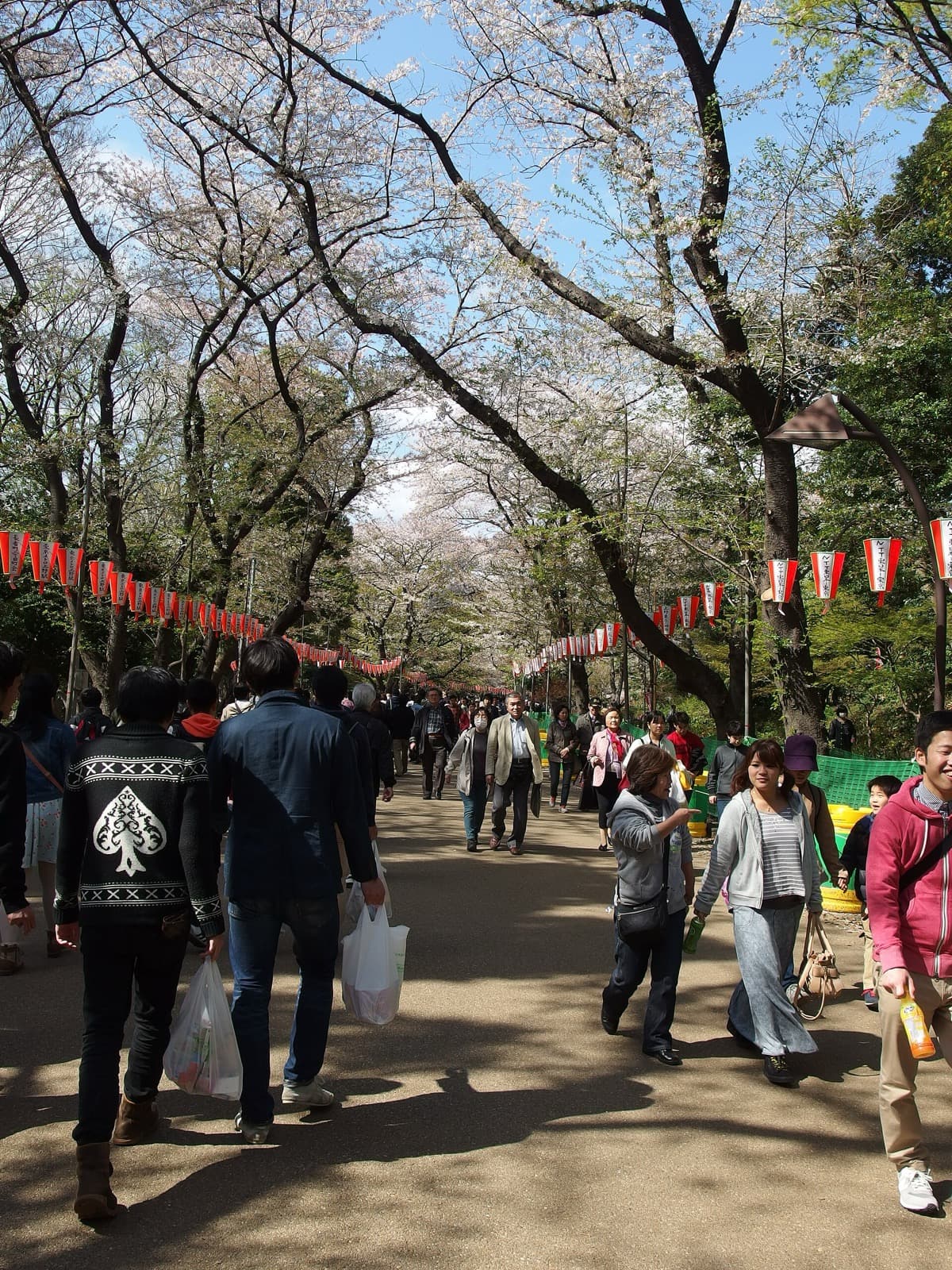
Cherry Blossom Japan 2027: Forecast Timing, Best Spots, and When to Book
The 2027 sakura forecast won't exist until December — but the bookings that matter happen months earlier. Here's how to plan the season anyway.
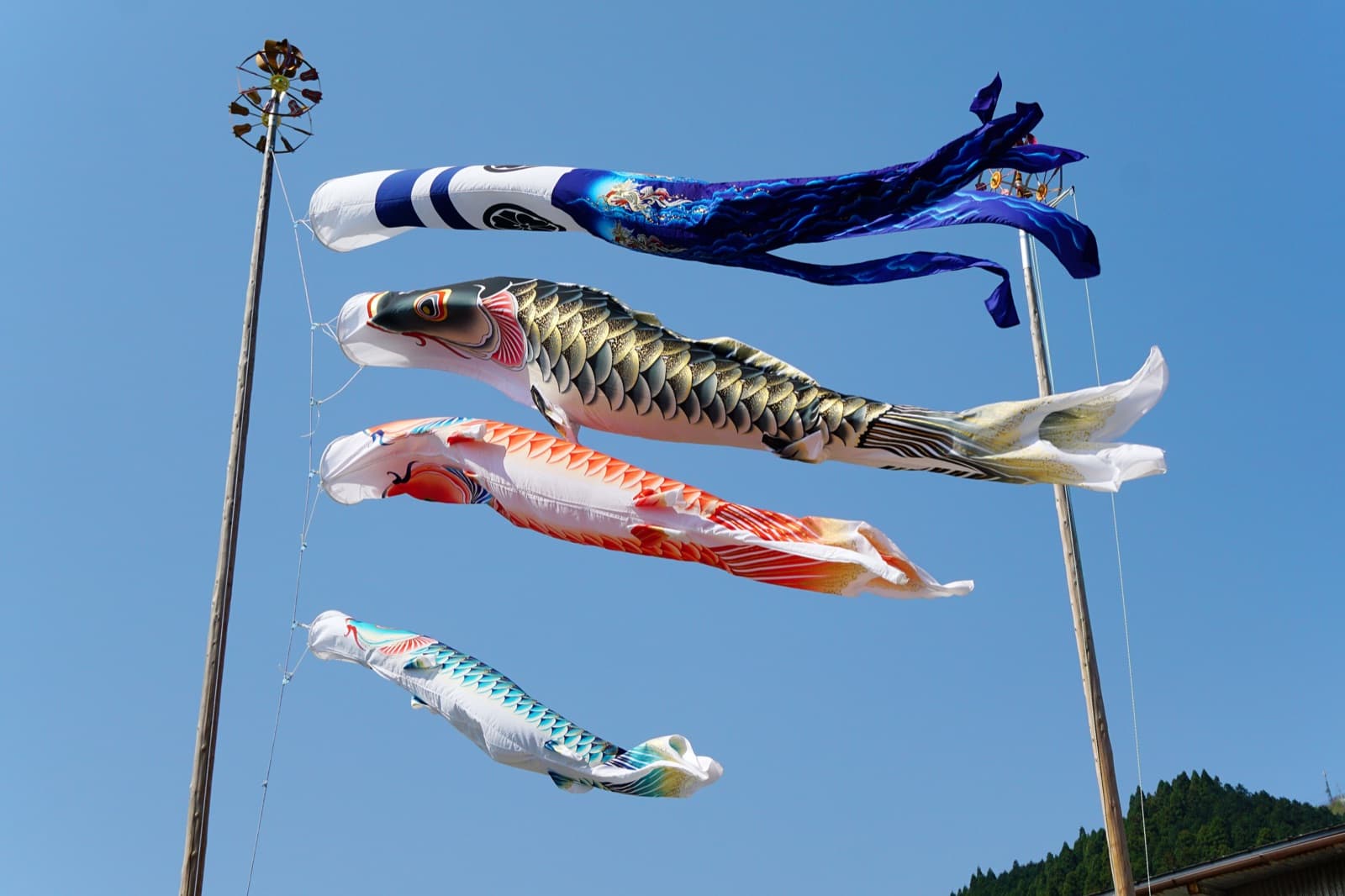
Golden Week 2027: Why This One Is Worse Than Usual (April 29 – May 5)
Golden Week 2027 has a calendar quirk that turns one day of leave into a seven-day holiday for most of Japan. That's great for locals and bad for your hotel rate.